


Thyristor trực tuyến | Chất bán dẫn điện chất lượng cao

Dynistor chuyển mạch ngược
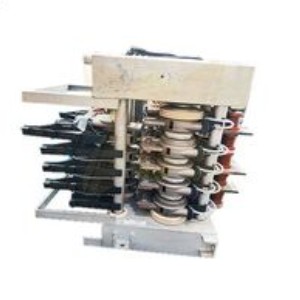
50a 9-65v High Current Ideal Diode Solar Anti-Reflux Charge Reverse Current Protection High Voltage Low Resistance 1.4
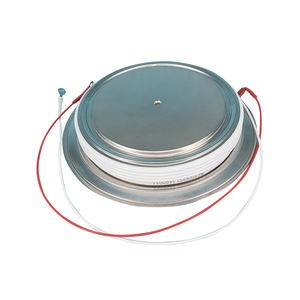
Hot Bridge Anti Reverse Current Thyristor Rectifier Diode
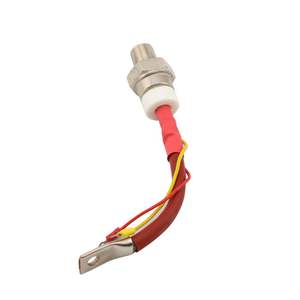
Cheap Made In China Low Reverse Leakage Diode Options Enhanced Reliability Mbrf2040ct-Mbrf20200ct Schottky Barrier Rectifiers
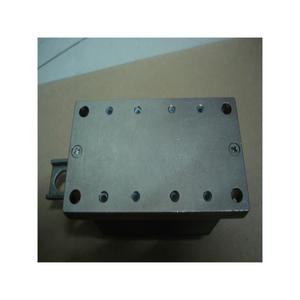
Mzk400ts120s Fast Recovery Switching Diode Maximum Reverse Volta 5v Peri Product
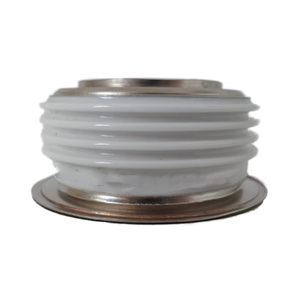
Diode chuyển mạch nhanh dòng ngược thấp,Điốt chèn tự động ,Mạch tích hợp linh kiện điện tử
| Type | VDRM[V.] | Ip[kA] | ITSM[kA] | VTM[I=Ip] [V.] | di/dt [kA/us] | dv/dt [kV/us] | IRT[kA] | TT[us] |
|---|---|---|---|---|---|---|---|---|
| PDDN-Y20DSC | 1 | 10 | 1 | 15 | 3 | 0.6 | 0.05 | 1.0-2.0 |
| PDDN-Y20DSE | 1.8 | 10 | 1 | 20 | 2.5 | 0.6 | 0.05 | 1.5-2.5 |
| PDDN-Y38DSC | 1.2 | 50 | 5 | 20 | 15 | 0.8 | 0.25 | 1.0-2.0 |
| PDDN-Y38DSE | 1.8 | 50 | 5 | 20 | 15 | 0.8 | 0.25 | 1.5-2.5 |
| PDDN-Y38DSF | 2.5 | 50 | 5 | 20 | 13 | 0.8 | 0.25 | 1.5-2.5 |
| PDDN-Y50DSE | 2 | 100 | 10 | 20 | 25 | 0.8 | 0.5 | 1.5-2.5 |
| PDDN-Y50DSF | 2.5 | 100 | 10 | 20 | 25 | 0.8 | 0.5 | 1.5-2.5 |
| PDDN-Y65DSE | 2 | 180 | 18 | 20 | 40 | 0.8 | 1.1 | 1.5-3.0 |
| PDDN-Y65DSH | 3 | 180 | 18 | 20 | 40 | 1 | 1.1 | 1.5-3.0 |
| PDDN-Y76DSE | 2 | 250 | 25 | 20 | 60 | 0.8 | 1.5 | 1.5-3.0 |
| PDDN-Y76DSH | 3 | 250 | 25 | 25 | 60 | 1 | 1.5 | 1.5-3.0 |
Tổng quan vềReversely Switching Dynamics
Dynistor chuyển mạch ngược, also known as Reverse Blocking Switches or RBS, are a type of semiconductor device that exhibits unique switching capabilities. These devices are designed to conduct current in the forward direction but block current in the reverse direction, allowing for controlled switching of high-power circuits. Dynistors are used in a wide range of applications, including power converters, bộ điều khiển động cơ, và hệ thống tự động hóa công nghiệp, where they provide efficient and reliable power control. Their ability to switch quickly and handle high power levels makes them an essential component in modern power electronics.
The characteristics of Reversely Switching Dynamics
1. Bidirectional conductivity: Reversely Switching Dynamics can conduct electricity in both forward and reverse directions, making it highly flexible in circuit design.
2. Fast switching characteristics: Reversely Switching Dynamics can respond quickly and quickly switch from the on state to the off state, or from the off state to the on state.
3. High voltage resistance: Reversely Switching Dynamics can withstand high voltages, operating stably even in high-voltage environments.
4. Hiệu quả cao: Due to the fast switching characteristics of Reversely Switching Dynamics, it generates less loss in the energy conversion process, thus having higher efficiency.
5. Độ tin cậy cao: Reversely Switching Dynamics's design and manufacturing process adopts strict quality control measures to ensure its high reliability and stability.
Application of Reversely Switching Dynamics
1. Pulse power system: Reversely Switching Dynamics has many applications in pulse power systems, such as pulse generators, lasers, etc. Reversely Switching Dynamics can generate high-power pulse signals in these systems to meet specific application requirements.
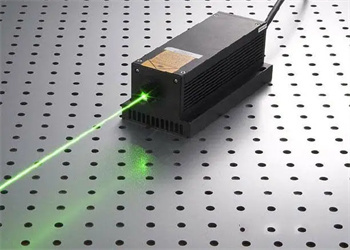
(Pulse power system)
2. Communication equipment: Reversely Switching Dynamics can be used for signal modulation and demodulation in communication systems. By adjusting the conduction and cutoff states of Reversely Switching Dynamics, analog signals can be converted into digital signals, or digital signals can be converted into analog signals to achieve signal transmission and processing.
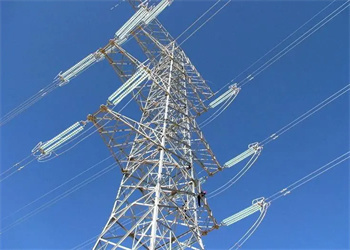
(Communication equipment)
3. Test equipment: In the test equipment, Reversely Switching Dynamics can be used as a simulated load and signal source. By adjusting the working state of Reversely Switching Dynamics, different loads and signal sources can be simulated to test the performance and stability of the device.
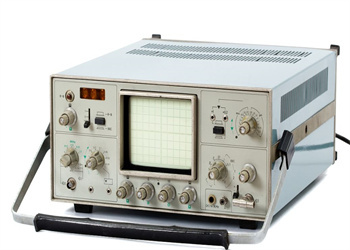
(Test equipment)
4. Other fields: In addition to the above applications, Reversely Switching Dynamics may also have applications in other fields, such as motor driving, power management, etc. Tuy nhiên, these applications may require professional technical support and circuit design to ensure Reversely Switching Dynamics can function properly and meet system requirements.
.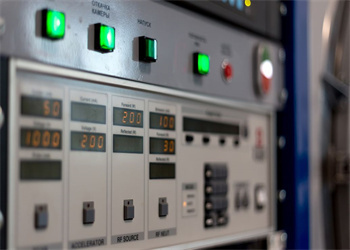
(Motor driving)
Hồ sơ công ty
Công ty TNHH Công nghệ Năng lượng Lạc Dương Datang(sales@pddn.com) là một trong những doanh nghiệp hàng đầu về công nghệ điện tử công suất và các sản phẩm điện, tham gia đầy đủ vào việc phát triển bộ biến tần năng lượng mặt trời, máy biến áp, bộ điều chỉnh điện áp, tủ phân phối, thyristor, mô-đun, điốt, máy sưởi, và các thiết bị điện tử hoặc chất bán dẫn khác. Chúng tôi sẽ cam kết cung cấp cho người dùng chất lượng cao, sản phẩm hiệu quả và dịch vụ chu đáo.
Nó chấp nhận thanh toán qua thẻ tín dụng, T/T, Tây Liên, và Paypal. PDDN sẽ vận chuyển hàng hóa tới khách hàng nước ngoài thông qua FedEx, DHL, bằng đường biển, hoặc bằng đường hàng không. If you want high-quality electronic devices or semiconductor products, xin vui lòng gửi cho chúng tôi yêu cầu; chúng tôi sẽ ở đây để giúp bạn.
Phương thức thanh toán
L/C, T/T, Công Đoàn Phương Tây, Paypal, Thẻ tín dụng vv.
Lô hàng
Bằng đường biển, bằng đường hàng không, bằng cách thể hiện, như khách hàng yêu cầu.
Điều kiện bảo quản
1) Bảo quản ở môi trường khô ráo ở nhiệt độ phòng.
2) Tránh ẩm ướt và nhiệt độ cao.
3) Sử dụng ngay sau khi mở túi đóng gói bên trong.
FAQ
Q1:
What is Reversely Switching Dynamics?
Re: Reversely Switching Dynamics refers to the switching dynamics of power electronic devices under reverse voltage; this involves the device's behavior when transitioning from a forward conduction state to a reverse blocking state or conduction state.
Q2:
Why is it important to study reverse switching Dynamics?
Re: Studying reverse switching Dynamics is crucial for the stability and efficiency of power electronic systems. Understanding the behavior of devices under reverse voltage can help optimize system design, reduce switching losses, and improve system reliability.
Q3:
What factors affect Reversely Switching Dynamics?
Re: Reversely Switching Dynamics is influenced by various factors, including device structure, material characteristics, external circuit conditions (power supply voltage and load resistance), and environmental factors (such as temperature).
Q4:
How to optimize Reversely Switching Dynamics to improve system performance?
Re: Optimizing Reverse Switching Dynamics can be achieved by selecting high-performance power electronic devices, designing reasonable circuit topologies, using advanced control technologies, and optimizing heat dissipation structures. In addition, simulation analysis and experimental verification of the system are also important steps in the optimization process.
Q5:
How to consider Reversely Switching Dynamics in practical applications?
Re: In practical applications, the impact of Reversely Switching Dynamics on system stability and efficiency should be considered. During the system design phase, detailed simulation analysis and experimental verification should be conducted to ensure the device's behavior under reverse voltage meets expectations. In addition, during actual operation, the Asystem's performance should be regularly monitored and evaluated, and potential problems should be identified and addressed promptly.