


Thyristors Online | Semiconductors koronto tayo sare leh

Dib-u-beddelashada Dynistors
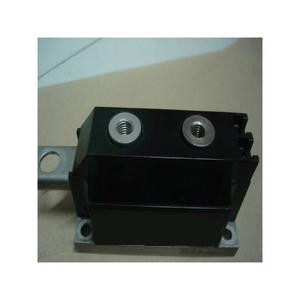
Ic Converter Integrated Circuit In Stock Mpu6050 Qfn24 Igbt Module Chip Electronic Component Reverse Switch Regulator Sop24
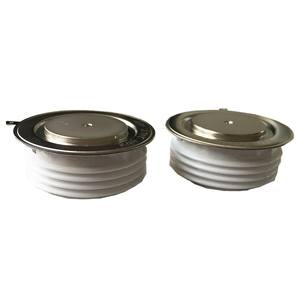
Ic Converter Integrated Circuit In Stock Atmega128a-Au 64tqfp Module Chip Electronic Component Reverse Switch Regulator Tft
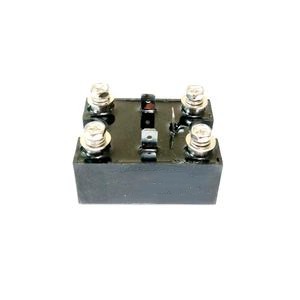
Mic29302wu-Tr Integrated Circuit In Stock Linear Pos Adj 3a To263-5 Igbt Module Chip Electronic Component Reverse Switch Regu
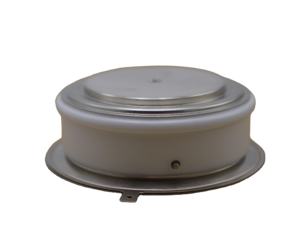
Reverse Mp450 Fan New Original One Stop Shopping Bom Pcb Pcba 3d Printing Cnc Mechatronic
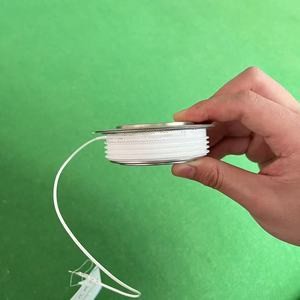
Ic Converter Integrated Circuit In Stock Msod-Q11 24vdc 2.1a Igbt Module Chip Electronic Component Reverse Switch Regulator
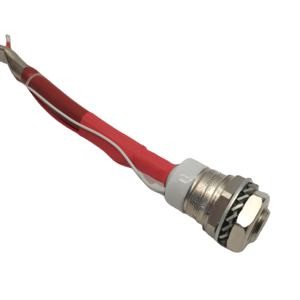
Reverse 1 New Original One Stop Shopping Bom Pcb Pcba 3d Printing Cnc Mechatronic
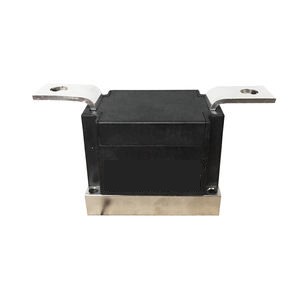
Integrated Circuit In Stock Ls Smart Modul Igbt Grl-Ry2c Ic Converter Module Chip Electronic Component Reverse Switch Regulator
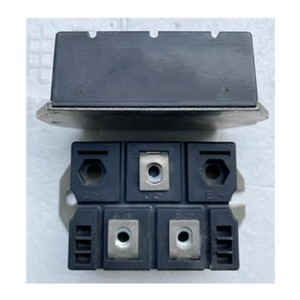
Bc338l(Reverse) Shelf Life Of 12 Months Bom Pcb Pcba Smt 3d Printing Cnc Mechatronic
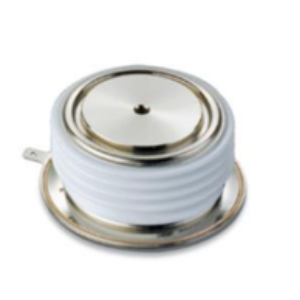
Mc34063a Positive Voltage Negative Voltage Module Dc-Dc 3.6v-36v Reverse Voltage Module Mc34063
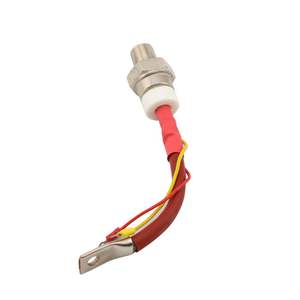
Low Reverse Leakage Super Fast Recovery Rectifier Diode Sfp2003
Zp100a 200a 300a 1600v 2cz Silicon Rectifier Spiral Rectifier Tube High Power Diode Reverse
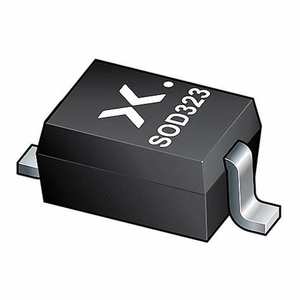
Enerkey Ideal Diode Module 100v 150v 200v 150a Battery Charging Charger Anti Reverse Connection Power Protection Board
| Type | VDRM[V] | Ip[kA] | ITSM[kA] | VTM[I=Ip] [V] | di/dt [kA/us] | dv/dt [kV/us] | IRT[kA] | TT[us] |
|---|---|---|---|---|---|---|---|---|
| PDDN-Y20DSC | 1 | 10 | 1 | 15 | 3 | 0.6 | 0.05 | 1.0-2.0 |
| PDDN-Y20DSE | 1.8 | 10 | 1 | 20 | 2.5 | 0.6 | 0.05 | 1.5-2.5 |
| PDDN-Y38DSC | 1.2 | 50 | 5 | 20 | 15 | 0.8 | 0.25 | 1.0-2.0 |
| PDDN-Y38DSE | 1.8 | 50 | 5 | 20 | 15 | 0.8 | 0.25 | 1.5-2.5 |
| PDDN-Y38DSF | 2.5 | 50 | 5 | 20 | 13 | 0.8 | 0.25 | 1.5-2.5 |
| PDDN-Y50DSE | 2 | 100 | 10 | 20 | 25 | 0.8 | 0.5 | 1.5-2.5 |
| PDDN-Y50DSF | 2.5 | 100 | 10 | 20 | 25 | 0.8 | 0.5 | 1.5-2.5 |
| PDDN-Y65DSE | 2 | 180 | 18 | 20 | 40 | 0.8 | 1.1 | 1.5-3.0 |
| PDDN-Y65DSH | 3 | 180 | 18 | 20 | 40 | 1 | 1.1 | 1.5-3.0 |
| PDDN-Y76DSE | 2 | 250 | 25 | 20 | 60 | 0.8 | 1.5 | 1.5-3.0 |
| PDDN-Y76DSH | 3 | 250 | 25 | 25 | 60 | 1 | 1.5 | 1.5-3.0 |
dulmar ku saabsanReversely Switching Dynamics
Dib-u-beddelashada Dynistors, also known as Reverse Blocking Switches or RBS, are a type of semiconductor device that exhibits unique switching capabilities. These devices are designed to conduct current in the forward direction but block current in the reverse direction, allowing for controlled switching of high-power circuits. Dynistors are used in a wide range of applications, including power converters, kontaroolayaasha mootada, and industrial automation systems, where they provide efficient and reliable power control. Their ability to switch quickly and handle high power levels makes them an essential component in modern power electronics.
The characteristics of Reversely Switching Dynamics
1. Bidirectional conductivity: Reversely Switching Dynamics can conduct electricity in both forward and reverse directions, making it highly flexible in circuit design.
2. Fast switching characteristics: Reversely Switching Dynamics can respond quickly and quickly switch from the on state to the off state, or from the off state to the on state.
3. High voltage resistance: Reversely Switching Dynamics can withstand high voltages, operating stably even in high-voltage environments.
4. Waxtarka sare: Due to the fast switching characteristics of Reversely Switching Dynamics, it generates less loss in the energy conversion process, thus having higher efficiency.
5. Kalsoonida sare: Reversely Switching Dynamics's design and manufacturing process adopts strict quality control measures to ensure its high reliability and stability.
Application of Reversely Switching Dynamics
1. Pulse power system: Reversely Switching Dynamics has many applications in pulse power systems, such as pulse generators, lasers, etc. Reversely Switching Dynamics can generate high-power pulse signals in these systems to meet specific application requirements.
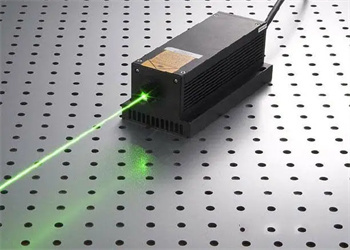
(Pulse power system)
2. Communication equipment: Reversely Switching Dynamics can be used for signal modulation and demodulation in communication systems. By adjusting the conduction and cutoff states of Reversely Switching Dynamics, analog signals can be converted into digital signals, or digital signals can be converted into analog signals to achieve signal transmission and processing.
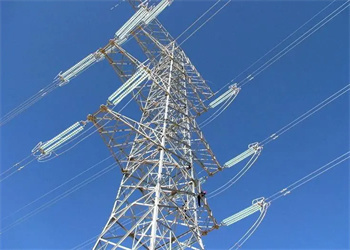
(Communication equipment)
3. Test equipment: In the test equipment, Reversely Switching Dynamics can be used as a simulated load and signal source. By adjusting the working state of Reversely Switching Dynamics, different loads and signal sources can be simulated to test the performance and stability of the device.
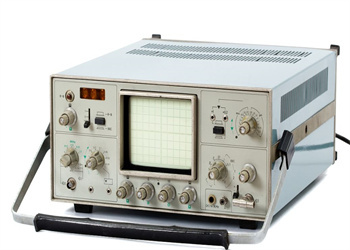
(Test equipment)
4. Other fields: In addition to the above applications, Reversely Switching Dynamics may also have applications in other fields, such as motor driving, power management, etc. Si kastaba ha ahaatee, these applications may require professional technical support and circuit design to ensure Reversely Switching Dynamics can function properly and meet system requirements.
.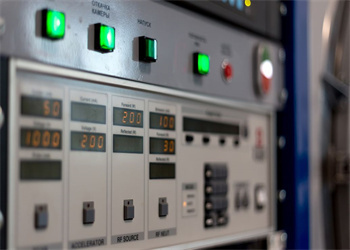
(Motor driving)
Xogta Shirkadda
Hal qayb oo ka mid ah Luoyang Datang Energy Tech Co.,Ltd(sales@pddn.com) waa mid ka mid ah shirkadaha hormuudka u ah korantada tignoolajiyada elektiroonigga ah iyo alaabada korontada, kaas oo si buuxda ugu lug leh horumarinta soolarka rogayaasha, Transformers, xakameeyayaasha danab, armaajooyinka qaybinta, thyristors, modules, dareereyaal, kululeeyayaasha, iyo qalabka kale ee elegtarooniga ah ama semiconductors. Waxaa naga go'an inaan siino isticmaalayaasha tayo sare leh, alaabo hufan iyo adeeg tixgalin leh.
Waxay ku aqbashaa lacag bixinta iyada oo loo marayo Kaarka Credit Card, T/T, West Union, iyo Paypal. PDDN waxay alaabta u soo rari doontaa macaamiisha dibadda iyada oo loo marayo FedEx, DHL, xagga badda, ama hawo. If you want high-quality electronic devices or semiconductor products, fadlan noo soo dir su'aalo; halkaan ayaan ku caawin doonaa.

Hababka Lacag-bixinta
L/C, T/T, Western Union, Paypal, Kaarka deynta iwm.
Raritaanka
Dhanka badda, hawo, si qeexan, sida macaamiishu codsadaan.
Xaaladaha Kaydinta
1) Ku kaydi deegaan qallalan heerkulka qolka.
2) Ka fogow qoyaanka iyo heerkulka sare.
3) Isticmaal isla markiiba ka dib markaad furto bacda gudaha.
FAQ
Q1:
What is Reversely Switching Dynamics?
Re: Reversely Switching Dynamics refers to the switching dynamics of power electronic devices under reverse voltage; this involves the device's behavior when transitioning from a forward conduction state to a reverse blocking state or conduction state.
Q2:
Why is it important to study reverse switching Dynamics?
Re: Studying reverse switching Dynamics is crucial for the stability and efficiency of power electronic systems. Understanding the behavior of devices under reverse voltage can help optimize system design, reduce switching losses, and improve system reliability.
Q3:
What factors affect Reversely Switching Dynamics?
Re: Reversely Switching Dynamics is influenced by various factors, including device structure, material characteristics, external circuit conditions (power supply voltage and load resistance), and environmental factors (such as temperature).
Q4:
How to optimize Reversely Switching Dynamics to improve system performance?
Re: Optimizing Reverse Switching Dynamics can be achieved by selecting high-performance power electronic devices, designing reasonable circuit topologies, using advanced control technologies, and optimizing heat dissipation structures. Intaa waxaa dheer, simulation analysis and experimental verification of the system are also important steps in the optimization process.
Q5:
How to consider Reversely Switching Dynamics in practical applications?
Re: In practical applications, the impact of Reversely Switching Dynamics on system stability and efficiency should be considered. During the system design phase, detailed simulation analysis and experimental verification should be conducted to ensure the device's behavior under reverse voltage meets expectations. Intaa waxaa dheer, during actual operation, the Asystem's performance should be regularly monitored and evaluated, and potential problems should be identified and addressed promptly.