Tiristuri Online | Semikondutturi tal-Enerġija ta 'Kwalità Għolja

PARAMETRI TAL-PRODOTT
Deskrizzjoni
Ħarsa ġenerali lejnModuli tiristori
Il-moduli tat-tiristori huma komponenti ewlenin fit-teknoloġija tal-elettronika tal-enerġija. Huma jikkonsistu f'tiristori wieħed jew aktar inkapsulati f'akkomodazzjoni kompatta. It-tiristori huma b'erba' saffi, apparati semikondutturi bi tliet terminali li jintużaw primarjament f'applikazzjonijiet li jikkontrollaw u jirregolaw kurrent AC jew DC ta 'qawwa għolja. Jistgħu jaqilbu malajr minn stat ta 'impedenza għolja għal stat ta' konduzzjoni ta 'impedenza baxxa bbażat fuq sinjal ta' grillu, b'hekk jinkiseb kontroll preċiż tal-kurrent.
Karatteristiċi u Benefiċċji ta 'Moduli tiristori
Kapaċità ta 'immaniġġjar ta' qawwa għolja: Il-moduli tat-tiristori jistgħu jifilħu vultaġġi u kurrenti estremament għoljin, jagħmluhom adattati għal sistemi ta 'konverżjoni u kontroll tal-enerġija ta' grad industrijali.
Ħin ta 'rispons mgħaġġel: Ħinijiet qosra ħafna ta 'qlib u telf baxx jiżguraw tħaddim ta' effiċjenza għolja.
Affidabilità u durabilità: Disinn imħatteb, operazzjoni stabbli f'ambjenti ħarxa, u ħajja twila.
Integrazzjoni faċli: Id-disinn modulari jissimplifika l-installazzjoni u jnaqqas ir-rekwiżiti ta 'manutenzjoni.
Protezzjoni ta 'tagħbija żejda: Mekkaniżmi ta 'protezzjoni inkorporati bħal protezzjoni ta' temperatura żejda u kurrent żejjed itejbu s-sigurtà tas-sistema.
Applikazzjonijiet versatili: Użat ħafna f'varjetà ta 'applikazzjonijiet li jeħtieġu kontroll preċiż tal-kurrent.
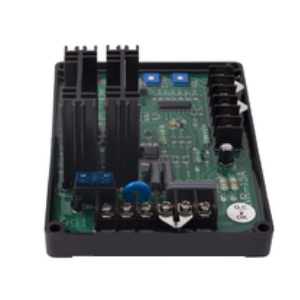
(Thyristor module for thyristor welding machine AC DC power module Diode module)
Specification of Thyristor module for thyristor welding machine AC DC power module Diode module
Thyristors are an essential component in AC DC power modules and diode modules, ensuring safe and efficient operation of the equipment. These devices have become increasingly important in industrial settings as they provide stable and reliable power supplies that meet various industry standards.
In AC DC power modules, thyristors are used to regulate the current output and protect against overcurrent or short circuits. They are typically made from a variety of materials such as silicon carbide, titanium, and aluminum, with different specifications based on their performance requirements.
One of the key features of thyristors is their ability to switch quickly and efficiently, making them ideal for use in high-speed applications where speed is critical. They also have a low internal resistance, which allows them to operate at higher voltages without overheating or damage.
In diode modules, thyristors are used to control the flow of electricity between two electrodes. They are often used in reverse voltage (VCE) ċirkwiti, where the voltage across the diode acts as a protective mechanism against overvoltage or short circuiting.
The specific specification of a thyristor module will depend on its intended application and usage conditions. It may include factors such as the thyristor’s rating, stabbiltà termali, and electrical characteristics like its forward voltage gain, reverse saturation voltage, and ideality factor.
It is important to choose a thyristor module that meets the specific needs of your application and complies with relevant safety and performance standards. This may involve choosing the appropriate thyristor material, specifying the appropriate rated voltage and current, and testing the module to ensure it functions properly under varying operating conditions.
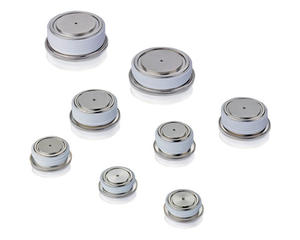
(Thyristor module for thyristor welding machine AC DC power module Diode module)
Applications of Thyristor module for thyristor welding machine AC DC power module Diode module
Thyristors are electronic components that control the flow of current in an electrical circuit. They are widely used in various applications, including thyristor welding machines and AC DC power modules.
In thyristor welding machines, thyristors are used to switch the flow of electricity to either positive or negative depending on whether a wire is being or not. The thyristor’s voltage rating determines its ability to withstand high temperatures, which makes it suitable for use in harsh industrial environments where precise temperature control is critical. Barra minn hekk, thyristors can be used as a starting point for electrical circuits, making them versatile for a wide range of applications.
On the other hand, AC DC power modules are electrical devices that convert alternating current (AC) f'kurrent dirett (DC). They are commonly used in various applications such as electronic equipment, ċentri tad-data, u sistemi ta' awtomazzjoni industrijali. The quality and efficiency of an AC DC power module depend on several factors, including the type of power supply, the components used, and the application requirements.
One of the most significant advantages of using thyristor modules in AC DC power modules is their ability to efficiently store and regulate energy. Unlike traditional power supplies that require additional components, thyristor-based power modules have built-in energy storage capabilities that allow them to maintain a consistent output even when there is a lack of input power. This feature makes them ideal for use in power grids that operate continuously, such as in renewable energy sources.
Another advantage of thyristor-based power modules is their ability to increase system efficiency. By regulating the flow of electricity, thyristors can reduce energy waste and improve overall system performance. Per eżempju, thyristors can be used to boost the power output of a motor during periods of low demand, reducing the need for additional power generation sources.
Bħala konklużjoni, thyristors are essential components of both thyristor welding machines and AC DC power modules. Their versatility and efficiency make them indispensable in many industries, and the introduction of thyristor-based power modules has significantly improved the performance of these devices. As technology continues to advance, we can expect to see even more innovative applications of thyristors in the future.
Profil tal-Kumpanija
Luoyang Datang Enerġija Tech Co.Ltd(sales@pddn.com) hija waħda mill-intrapriżi ewlenin fit-teknoloġija tal-elettronika tal-enerġija u l-prodotti tal-enerġija, li hija involuta bis-sħiħ fl-iżvilupp ta 'invertituri solari, transformers, regolaturi tal-vultaġġ, kabinetti tad-distribuzzjoni, tiristuri, moduli, dajowds, ħiters, u apparat elettroniku ieħor jew semikondutturi. Aħna se nkunu impenjati li nipprovdu lill-utenti bi kwalità għolja, prodotti effiċjenti u servizz meqjus.
Jaċċetta ħlas permezz ta' Karta ta' Kreditu, T/T, Unjoni tal-Punent, u Paypal. PDDN se jibgħat il-merkanzija lill-klijenti barranin permezz ta 'FedEx, DHL, bil-baħar, jew bl-ajru. If you want high-quality Thyristor module for thyristor welding machine AC DC power module Diode module, jekk jogħġbok ibgħatilna inkjesti; aħna se nkunu hawn biex ngħinuk.
Metodi ta' Ħlas
L/C, T/T, Unjoni tal-Punent, Paypal, Karta tal-Kreditu eċċ.
Ġarr bil-baħar
Bil-baħar, bl-ajru, bl-espress, kif jitolbu l-klijenti.
Kundizzjonijiet tal-Ħażna
1) Aħżen f'ambjent niexef f'temperatura tal-kamra.
2) Evita temperatura niedja u għolja.
3) Uża immedjatament wara li tiftaħ il-borża tal-ippakkjar ta 'ġewwa.
5 FAQs of Thyristor module for thyristor welding machine AC DC power module Diode module
1. What is a thyristor module?
A thyristor module is a circuit component that converts alternating current (AC) f'kurrent dirett (DC). It consists of two thyristors connected in a voltage-controlled manner, which allows the module to regulate the flow of electricity.
2. How do thyristor modules work?
Thyristor modules use electronic components such as diodes and transistors to control the flow of electricity. When one thyristor is turned on or off, it controls the flow of electricity through the other thyristor. This ensures that the AC input is converted into DC output without loss of energy.
3. What types of thyristor modules are available?
There are several types of thyristor modules available for thyristor welding machines, including analog modules, digital modules, and hybrid modules. Analog modules use basic diode characteristics to control the flow of electricity, while digital modules use more advanced electronics to control the thyristors. Hybrid modules combine both analog and digital technologies to provide even greater control over the thyristor flow.
4. What is the difference between a thyristor module and a diode module?
The main difference between a thyristor module and a diode module is their role in converting AC into DC. A thyristor module is responsible for controlling the flow of electricity, while a diode module is responsible for protecting the electronic components from damage caused by surges in voltage.
5. How much does a thyristor module cost?
The cost of a thyristor module depends on several factors, including the type of thyristor module used, the quality of the electronic components used, and any additional features required for the particular application. Madankollu, in general, thyristor modules can be relatively inexpensive compared to other electronic components used in thyristor machines.
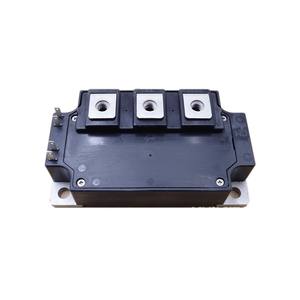
(Thyristor module for thyristor welding machine AC DC power module Diode module)
ITLOB KOTAZZJONI
PRODOTTI RELATATI
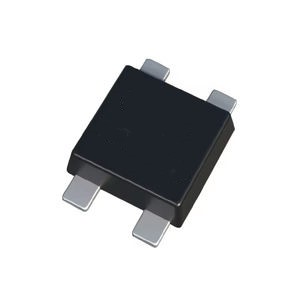
STOCK NEW AND ORIGINAL Diode module IGBT Power MODULE Thyristor SCR IGBT MODULE PK130FG160

STOCK electronics component IGBT MODULE Diode Thyristor SCR transistors mosfet IC chips FF100R12KS4
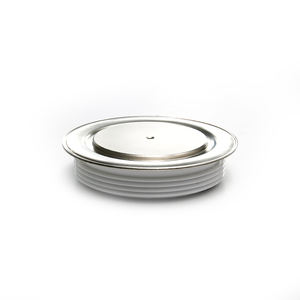
Orginal module Power IGBT module IGBT SKKT273/16E Thyristor Diode Power Module
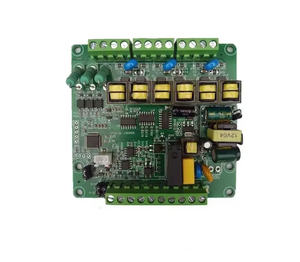
TECHSEM MTC182-18-216F3B Thyristor Module MTC182A800V MTC182A1000V MTC182A1400V MTC182A1800V Diode Module MTC182-18
5SED 0890T2240 Hitachi Energy ABB Diode and Thyristor Module 60Pak Semiconductor Original Product