Thyristors Online | Ko nga Kaihanga Mana Kounga Nui

NGA TAATA HUA
Whakaahuatanga
He Kupu Whakataki ki nga Kowae Diode Thyristor
Ngā kōwae diode Thyristor, ka kiia noa he thyristors, he momo taputapu semiconductor e whakamahia ana mo te whakahaere me te whakawhiti hiko hiko i roto i nga momo tono. Ka mahi ratou hei whakawhiti whakahaere, ka tuku i te naianei kia rere i te wa e paoho ana e te tohu kuaha iti. Kia huri ki runga, ka rere tonu kia taka te ia i raro i tetahi paepae, ka huri ranei te ahunga o te ia.
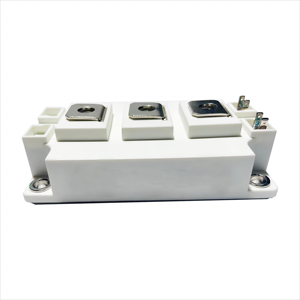
Ko te kōwae thyristor te tikanga he maha nga thyristor kua whakaemihia hei hapai i nga ia teitei ake, i nga ngaohiko ranei ka taea e te waahanga kotahi te whakahaere.. Ka kitea enei waahanga i roto i nga momo whirihoranga, tae atu ki te SCR (Silicon Whakahaere Whakatikatika), TRIAC, me GTO (Te Keeti Hunga-Weto) thyristors, i hangaia ia mo nga momo mahi whakahaere hiko.
Nga Ahuatanga me nga Painga o nga Tauira Diode Thyristor
-
Te kaha o te whakahaere kaha:
Ka taea e nga waahanga Thyristor te whakahaere i nga taumata teitei o te mana, kia pai ai mo nga tono ahumahi e hiahia ana ki nga otinga whakahaere mana kaha me te pono. -
Mana Mana Mana:
Ka tukuna e nga Thyristors te mana tika mo te mana ka tukuna ki te utaina. Ma te whakahaere i te wa o te patere o te kuaha, ka taea te whakatika i te nui o te mana e whakawhitia ana, he mea tino whai hua ki nga tono mana hiko AC penei i te rama muramura me te whakahaere tere o nga motuka. -
Nga Ngaronga Kawenga Iti:
I te wa katoa i runga, He iti nga heke ngaohiko whakamua a nga thyristors, ka puta he iti rawa te ngaronga hiko i te wa e whakahaere ana. Ka whai hua tenei kakama ki te whakaheke i te pāmahana whakahaere me te pai ake o te kaha. -
Hanga Rugged:
I hangaia mo nga taiao kino, Ko nga kōwae thyristor e whakaatu ana i nga kohinga roa ka taea te tu atu i te ahotea miihini, huringa pāmahana, me etahi atu ahuatanga o te taiao i roto i nga waahi ahumahi. -
Hoahoa Kiato:
Ahakoa to ratou kaha ki te hapai i te mana nui, he kiato ngā kōwae thyristor hou, te whakaahei i nga hoahoa mokowhiti i roto i nga taputapu he mea tino nui te rahi me te taumaha. -
Utu-Painga Rongoa:
Ko nga kōwae Thyristor e whakarato ana i te huarahi ohaoha ki te whakatinana i nga mahi whakahuri me te whakahaere kaha ki te whakataurite ki nga hangarau rereke kaore pea i te tino pai, ka nui ake ranei te utu mo ia wae whakahaere hiko.. -
Tikanga Whakaoho Maamaa:
He iti noa te au o te keeti hei huri, e whakangwari ana i te hoahoa o nga ara iahiko. Ka taea te whakauru ngawari ki nga punaha o naianei me te iti o nga waahanga taapiri. -
Te Whanuitanga o nga Tono:
Mai i te whakahaere motuka me nga taputapu hiko ki nga miihini me nga punaha toki, Ko nga waahanga thyristor ka kitea te tono puta noa i te whānuitanga o nga umanga na o raatau ahuatanga rereke. -
Parenga Orere:
He maha nga waahanga thyristor ka tae mai me nga waahanga whakamarumaru i roto i nga ahuatanga o te waa, te tiaki i te taputapu ake me nga kawenga hono mai i te kino ka taea. -
Nga Tere Whakawhiti Tere:
Ka taea e nga waahanga thyristor matatau te huri tere, e whai hua ana i roto i nga tono e hiahia ana i nga wa whakautu tere, i nga huringa whakawhiti auau me te kore e whakararu i te mahi..
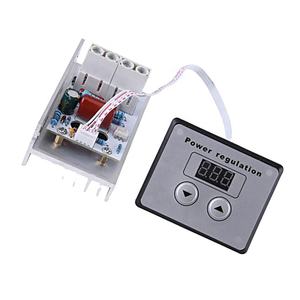
(OPT101 Light Analog Light Intensity Sensor Module Single Chip Photoelectric Diode 14KHz CJMCU-101)
Specification of OPT101 Light Analog Light Intensity Sensor Module Single Chip Photoelectric Diode 14KHz CJMCU-101
The OPT101 Light Analog Light Intensity Sensor Module (CJMCU-101) is designed for precise light measurement. It combines a photodiode and a transimpedance amplifier on a single chip. This integration simplifies circuit design. The module operates across a wide voltage range of 2.7V to 36V. It suits low-power and high-voltage applications. The output voltage varies linearly with light intensity. This ensures easy calibration and reliable performance.
The sensor’s spectral response range matches human eye sensitivity. It detects visible light effectively. The built-in amplifier provides a high gain bandwidth of 14kHz. This allows accurate tracking of fast light changes. Noise levels remain low due to optimized internal circuitry. Stable readings are achievable even in fluctuating conditions.
Physical dimensions are compact. The module uses a standard DIP-8 package. This makes it compatible with breadboards and PCBs. Connections are straightforward. Only a power supply and output pin are needed. No external components are required for basic operation.
Key specifications include a typical responsivity of 0.45 A/W at 650 nm. Dark current is minimal (typically 2 pA). Operating temperature ranges from -40°C to 85°C. This ensures functionality in harsh environments. The output voltage swings from near ground to 0.9V below the supply voltage.
Applications include ambient light sensing, aunoatanga ahumahi, and medical devices. It works in camera exposure control, display backlight adjustment, and optical switches. Educational projects benefit from its simplicity. Hobbyists can integrate it into light-activated systems.
Calibration involves exposing the sensor to known light levels. Users adjust scaling factors as needed. The output can interface directly with microcontrollers or analog-to-digital converters. Signal conditioning circuits are optional for specialized needs.
Power consumption is low (1.8mA typical at 5V). Battery-powered setups are feasible. Reverse polarity protection is absent. Users must ensure correct wiring. Exposure to intense light beyond 10 mW/cm² should be avoided. This prevents saturation or damage.
The CJMCU-101 module offers a balance of performance and ease of use. Its single-chip design reduces external part counts. Engineers and developers find it adaptable for diverse light-sensing tasks.
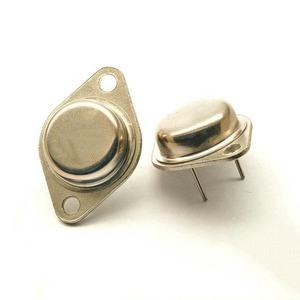
(OPT101 Light Analog Light Intensity Sensor Module Single Chip Photoelectric Diode 14KHz CJMCU-101)
Applications of OPT101 Light Analog Light Intensity Sensor Module Single Chip Photoelectric Diode 14KHz CJMCU-101
The OPT101 Light Analog Light Intensity Sensor Module is a single-chip solution combining a photodiode and a transimpedance amplifier. It converts light intensity into a voltage output. This makes it simple to measure light levels without complex circuits. The module works in a wide range of applications. It is reliable for both industrial and consumer projects.
The sensor operates up to 14kHz. This high bandwidth suits fast-changing light detection. It is ideal for environments needing quick response times. Examples include industrial automation systems. Machines use it to detect objects or monitor light changes in real time.
In consumer electronics, the module adjusts screen brightness. Devices like smartphones or tablets save power this way. It also improves user comfort. The sensor ensures displays adapt smoothly to ambient light.
Medical devices benefit from its accuracy. Pulse oximeters rely on precise light measurement. The OPT101 provides stable readings. It helps track blood oxygen levels effectively.
Environmental monitoring systems use the sensor to track light pollution. Researchers gather data on outdoor lighting conditions. The module’s linear output simplifies data analysis. It requires minimal calibration.
Hobbyists integrate the CJMCU-101 module into DIY projects. It pairs easily with microcontrollers like Arduino or Raspberry Pi. Users build light-activated alarms or smart garden systems. The voltage output connects directly to analog pins. Coding becomes straightforward.
The compact design saves space in tight layouts. Low power consumption extends battery life in portable devices. The sensor performs consistently across temperatures. It handles -40°C to 85°C.
The OPT101 is cost-effective for mass production. Its single-chip design reduces component count. Manufacturers cut costs without sacrificing performance.
This module suits robotics for obstacle detection. Robots navigate by sensing changes in reflected light. The high sensitivity detects even weak light sources.
Educational labs use it to teach photonics principles. Students learn light measurement techniques hands-on. The simplicity of the module aids understanding.
The CJMCU-101 version includes easy-to-solder pins. Prototyping requires no specialized tools. Developers test ideas quickly.
The sensor’s voltage range is 0V to Vcc. It interfaces with most analog systems. Users avoid signal conditioning circuits. This speeds up project timelines.
Reliability makes the OPT101 a standard in light sensing. It delivers repeatable results over long periods. Maintenance needs are minimal.
Its versatility spans from basic light detection to advanced analytical tasks. The module adapts to diverse requirements. Users customize applications without redesigning hardware.
The OPT101 suits scenarios demanding precision and speed. It bridges the gap between analog sensing and digital processing. Integration into existing systems is seamless.
Kōtaha Kamupene
PDDN Photoelectron Technology Co., Ltd.(sales@pddn.com) Ko tetahi o nga hinonga rangatira mo te hangarau hiko hiko me nga hua hiko, e tino whai waahi ana ki te whakawhanake i nga kaihurihuri ra, whakahurihuri, nga kaiwhakahaere ngaohiko, rūnanga tohatoha, thyristors, kōwae, ngohe, whakamahana, me etahi atu taputapu hiko, semiconductors ranei. Ka whakapau kaha matou ki te whakarato ki nga kaiwhakamahi te kounga teitei, hua pai me te ratonga whai whakaaro.
Ka whakaaehia te utu ma te kaari nama, T/T, Uniana ki te Hauauru, me te Paypal. Ka tukuna e PDDN nga taonga ki nga kaihoko ki tawahi ma te FedEx, DHL, ma te moana, ma te hau ranei. If you want high-quality OPT101 Light Analog Light Intensity Sensor Module Single Chip Photoelectric Diode 14KHz CJMCU-101, tena koa tukuna mai he patai; ka noho matou ki te awhina i a koe.
Nga Tikanga Utu
L/C, T/T, Western Union, Paypal, Kaari nama etc.
Tukunga
Ma te moana, mā te hau, mā te whakapuaki, kia rite ki te tono a nga kaihoko.
Nga Tikanga Rokiroki
1) Rokiroki i roto i te taiao maroke i te pāmahana rūma.
2) A ape i te makuku me te pāmahana teitei.
3) Whakamahia i muri tonu i te whakatuwheratanga o te peeke takai o roto.
5 FAQs of OPT101 Light Analog Light Intensity Sensor Module Single Chip Photoelectric Diode 14KHz CJMCU-101
The OPT101 Light Analog Light Intensity Sensor Module detects light levels using a built-in photodiode. It converts light to an electrical signal for easy reading. The CJMCU-101 version includes a single-chip design for simplified integration. Below are answers to common questions.
What does the OPT101 module do? It measures light intensity. The photodiode inside reacts to light. This generates a current. The chip converts the current to a voltage signal. The output voltage rises with brighter light.
How is the module connected? It works with analog input systems. Connect V+ to a 2.7V to 36V power supply. Ground the GND pin. The output pin links to an analog-to-digital converter or microcontroller. No extra components are needed.
What is the output voltage range? The output ranges from 0V to 5V. Darkness gives near 0V. Bright light pushes the voltage toward 5V. The response is linear. This makes calibration straightforward.
What does the 14kHz bandwidth mean? The sensor responds quickly to light changes. It detects fluctuations up to 14,000 times per second. This suits applications needing fast feedback. Examples include industrial automation or flicker detection.
Where is this sensor used? It works in light meters, medical devices, or robotics. It monitors ambient light in displays. It detects object presence in assembly lines. The small size fits portable gadgets.
The module operates in temperatures from -40°C to 85°C. It handles low-light and high-light conditions. Minimal power consumption makes it ideal for battery-powered projects. Compatibility with common microcontrollers simplifies prototyping.
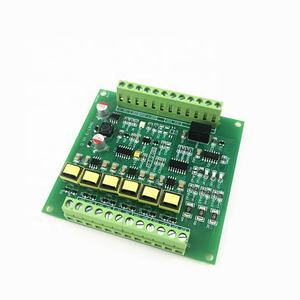
(OPT101 Light Analog Light Intensity Sensor Module Single Chip Photoelectric Diode 14KHz CJMCU-101)
TONO HE KORERO
HUA HUA
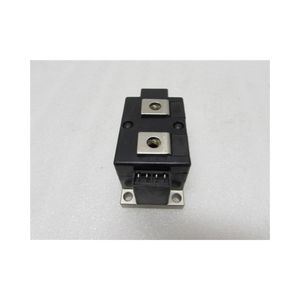
XL74610L Ideal Diode Module XL74610 Adopt LM74610 Analog Ideal Diode Rectifier Simulate Rectifier 1.5-36V 0mA 15A/30A
STOCK IGBT MODULE DIODE Rectifier Bridge Electronic components IC chips HA17458FP 458FP SOP8
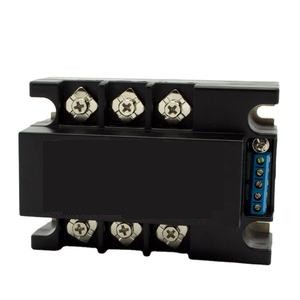
Murr Elektronik MKS – D 10/1300 – 1 DIODE MODULES 67066
650nm 150mW red Fiber Coupled Laser Diode Module
500w laser module 300mJ system dual wavelength laser diode module