


Thyristors ອອນລາຍ | ຄຸນະພາບສູງພະລັງງານ Semiconductors

ໂມດູນຂົວແກ້ໄຂສາມເຟດດຽວ
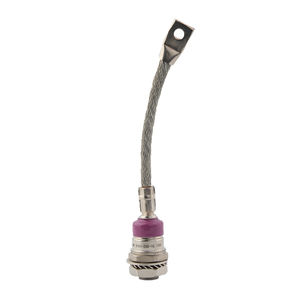
ໃໝ່& ໂອເມີ(ຕົ້ນສະບັບ) ຮັບປະກັນ 1 Year (Three Phases Bridge Type) Df150ba80 Diode Module
Three-Phases Bridge Rectifier Sql100a With Heatsink
Wgzx Three Phase Diode Bridge Dbi6-16 6-12 6-08
ສາມເຟດ Diode Bridge Rectifier Rm30tn-H Rm25tn-H Rm25tn-2h Rm30tna-H Rm40tn-H Rm10tn-2h
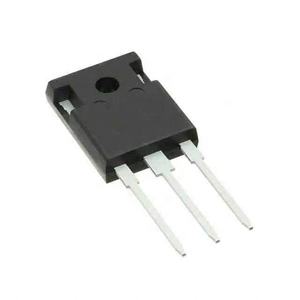
Three Phase Rectifier Bridge Module Ddb6u215n16l Ddb6u205n16l Ddb6u205n12l
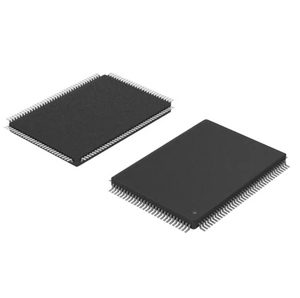
New And Original Three Phase Rectifier Bridge Module Mmk150t160ux
Electronic Equipments Hot ing Rectifier Bridge Cvm75cd80 Three Phase Half Controlled Rectifier Bridge
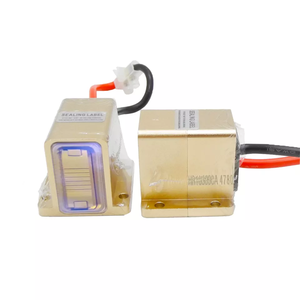
Electrical Equipment Three Phase Bridge Rectifier Module Df200fa120 Bridge Rectifier Scr
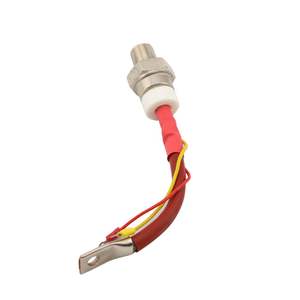
New Skbpc5016 Three-Phase Rectification Bridge Module 50a/1600v Bridge Stack 5 Pins
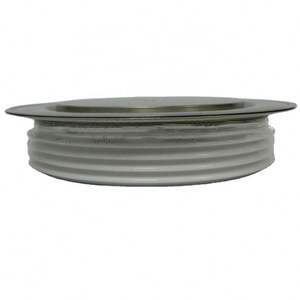
ຊິ້ນສ່ວນເຄື່ອງກໍາເນີດກາຊວນສາມເຟດດຽວ 10 ກ, 20ກ, 40ກ, 60ກ, 100ໂມດູນ Rectifier Bridge
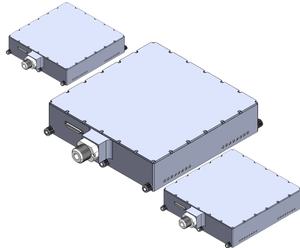
New Arrive Original Igbt Power Module Three Phase Rectifier Bridge Msd160-18 Semiconductor
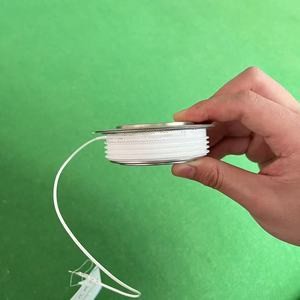
Hot ing Three Phase Diode Bridge Vuo52-16no1 Vuo52-16n01 Vuo52-08no1 Vuo52-12no1 Vuo52-14no1 Vuo52-18no1 New Original
MDQ
| ປະເພດ | I0 [ກ] | ວRRM [ວ] | IRRM [mA] | IF[ຂອງ] [ກ] | ວF[RMS] [ກ] | ITSM [ໄດ້] |
|---|---|---|---|---|---|---|
| PDDN-MDQ50 | 50 | 600-1600 | 4 | 25 | 60 | 1 |
| PDDN-MDQ75 | 75 | 600-1600 | 8 | 38 | 70 | 1.2 |
| PDDN-MDQ100 | 100 | 600-1600 | 10 | 50 | 86 | 1.5 |
| PDDN-MDQ150 | 150 | 600-1600 | 15 | 75 | 106 | 2.1 |
MDS
| ປະເພດ | I0 [ກ] | ວRRM [ວ] | IRRM [mA] | IF[ຂອງ] [ກ] | ວF[RMS] [ກ] | ITSM [ໄດ້] |
|---|---|---|---|---|---|---|
| PDDN-MDS30 | 30 | 600-1600 | 2 | 10 | 25 | 0.5 |
| PDDN-MDS50 | 50 | 600-1600 | 4 | 17 | 39 | 0.75 |
| PDDN-MDS75 | 75 | 600-1600 | 4 | 25 | 47 | 1 |
| PDDN-MDS100 | 100 | 600-1600 | 8 | 33 | 51 | 1.2 |
| PDDN-MDS150 | 150 | 600-1600 | 10 | 50 | 71 | 1.5 |
| PDDN-MDS175 | 175 | 600-1600 | 12 | 58 | 83 | 2.7 |
| PDDN-MDS200 | 200 | 600-1600 | 15 | 67 | 95 | 2.1 |
ພາບລວມຂອງSingle Phase/Three-Phase Rectifier Bridge Module
Single-phase and three-phase rectifier bridge modules are key components in power electronics that convert alternating current (AC) ກັບກະແສໂດຍກົງ (DC). The single-phase bridge rectifier converts single-phase alternating current to continuous current by allowing current to flow in one direction through a bridge configuration of diodes. On the other hand, the three-phase bridge rectifier achieves the same conversion but for three-phase AC, offering higher power output and smoother DC waveforms. Both modules are crucial in various applications, including power supplies, motors, ແລະລະບົບສາກໄຟ.
Characteristics ofSingle Phase/Three-Phase Rectifier Bridge Module:
1. Rectification function: Whether a single-phase or three-phase rectifier bridge, its basic function is converting AC power into DC power.
2. Wide application areas: The rectifier bridge module has been widely used in multiple fields, such as power electronics, communication, and automation control.
3. Reliability: After reasonable design and manufacturing, rectifier bridge modules usually have high reliability and can operate stably long.
Application of single-phase rectifier bridge module:
1. Household appliances: Single-phase rectifier bridge modules are widely used in domestic appliances, such as air conditioners, washing machines, refrigerators, etc. They must convert AC power into DC power to drive motors or other internal circuits.

(Single phase rectifier bridge module for household appliances)
2. ໄຟ LED: LED lighting fixtures require a stable DC power supply to provide constant light output, so single-phase rectifier bridge modules play an important role in LED lighting systems.
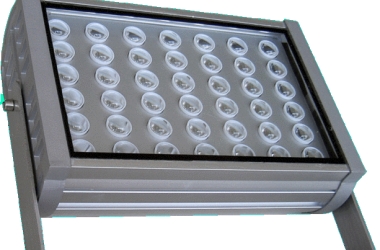
(Single phase rectifier bridge module for LED lighting)
3. Electric vehicle charger: The single-phase rectifier bridge module is also commonly used in electric vehicle chargers to convert alternating current into direct current suitable for battery charging.
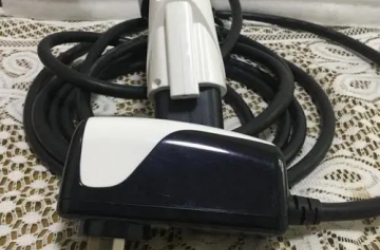
(Single phase rectifier bridge module for electric vehicle chargers)
Application of three-phase rectifier bridge module:
1. Industrial motor drive: The three-phase rectifier bridge module is an important component of the industrial motor drive system, which can convert three-phase AC power into DC power, providing stable power for the motor.
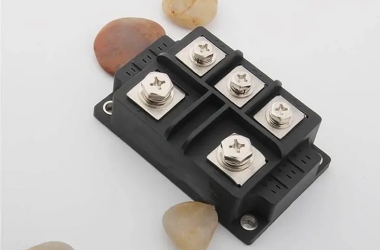
(Three phase rectifier bridge module)
2. Power Transformer: In the power system, the three-phase rectifier bridge module is commonly used on the secondary side of the power transformer to convert AC power into DC power for subsequent equipment use.
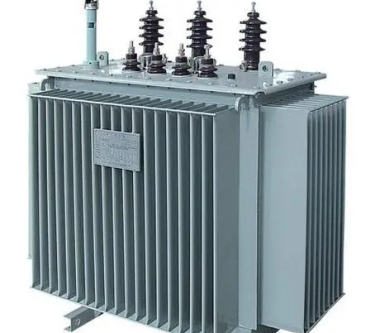
(Three phase rectifier bridge module for power transformers)
3. Wind and solar power generation systems: In the field of renewable energy, three-phase rectifier bridge modules are used to convert the AC power generated by wind turbines and solar cell plates into DC power for storage or integration into the grid.

(Three phase rectifier bridge module for wind turbines)
4. High-power electronic devices: For devices requiring high-power input, such as large lasers, radar systems, ແລະອື່ນໆ, three-phase rectifier bridge modules can provide the required stable DC power supply.

ຂໍ້ມູນບໍລິສັດ
Luoyang Datang Energy Tech Co.Ltd(sales@pddn.com) ເປັນວິສາຫະກິດເຕັກໂນໂລຊີສູງສຸມໃສ່ການຜະລິດໄດ້, ຣ&ງ, ແລະການຂາຍອຸປະກອນ semiconductor ພະລັງງານ. ນັບຕັ້ງແຕ່ການສ້າງຕັ້ງຂອງຕົນ, ບໍລິສັດໄດ້ມຸ່ງຫມັ້ນທີ່ຈະສະຫນອງຄຸນນະພາບສູງ, ຜະລິດຕະພັນ semiconductor ປະສິດທິພາບສູງໃຫ້ແກ່ລູກຄ້າທົ່ວໂລກເພື່ອຕອບສະຫນອງຄວາມຕ້ອງການຂອງອຸດສາຫະກໍາເອເລັກໂຕຣນິກພະລັງງານພັດທະນາ..
ມັນຍອມຮັບການຈ່າຍເງິນຜ່ານບັດເຄຣດິດ, T/T, West Union, ແລະ Paypal. PDDN ຈະສົ່ງສິນຄ້າໄປໃຫ້ລູກຄ້າຢູ່ຕ່າງປະເທດຜ່ານ FedEx ແລະ DHL, ທາງທະເລ, ຫຼືທາງອາກາດ. Please inquire if you want a high-quality Single Phase/Three-Phase Rectifier Bridge Module; ພວກເຮົາຈະຊ່ວຍ.
ການຈ່າຍເງິນມຈັນຍາບັນຂອງSingle Phase/Three-Phase Rectifier Bridge Module
L/C, T/T, Western Union, Paypal, ບັດເຄຣດິດ ແລະ ອື່ນໆ.
ການຂົນສົ່ງຂອງSingle Phase/Three-Phase Rectifier Bridge Module
ໂດຍທະເລ, ໂດຍທາງອາກາດ, ໂດຍດ່ວນ, ຕາມທີ່ລູກຄ້າຮ້ອງຂໍ.
ການເກັບຮັກສາຄເງື່ອນໄຂສໍາລັບການSingle Phase/Three-Phase Rectifier Bridge Module
1. ອຸນຫະພູມ: The rectifier bridge module should be stored in a dry and moderate temperature environment. Excessive temperature may cause damage or performance degradation to electronic components inside the module, while low temperature may cause condensation inside the module, resulting in short circuits or other damage. The recommended storage temperature is usually between -40 ° C and+85 ° C.
2. ຄວາມຊຸ່ມຊື່ນ: High humidity environments may cause electronic components inside the module to become damp or corroded. ເພາະສະນັ້ນ, the storage environment should maintain a low humidity, with a recommended relative humidity of 5% ກັບ 95% (without condensation).
3. Cleanliness: Dust, ຝຸ່ນ, or other pollutants should be avoided in the storage environment. These pollutants may enter the interior of the module and affect its performance. ເພາະສະນັ້ນ, storing the module in a clean and dust-free environment is recommended.
4. Static electricity protection: The rectifier bridge module is an electrostatic sensitive equipment, so static electricity protection measures should be taken during storage and handling, such as wearing anti-static wristbands, using anti-static packaging, etc.
5. Mechanical shock and vibration: Excessive mechanical shock and vibration should be avoided on the module. This may cause loose connections within the module or damage to electronic components.
6. Packaging and labeling: Modules should be stored appropriately to prevent physical damage. At the same time, it should be ensured that the identification of the modules is clear and complete for easy identification and traceability.
FAQ
Q1
What are the main differences in circuit design and application between single-phase rectifier bridge modules and three-phase rectifier bridge modules?
ເຣ:The main differences between single-phase rectifier bridge modules and three-phase rectifier bridge modules in circuit design and application are reflected in the input power supply and processing capacity. The single-phase rectifier bridge module handles AC power and is suitable for low-power applications. Its circuit design is relatively simple. The three-phase rectifier bridge module can handle three-phase AC power and is suitable for high-power applications. Its circuit design is more complex but can provide more stable and efficient DC output.
ຖາມ2
What key elements should be regarded when selecting single-phase or three-phase rectifier bridge modules?
ເຣ:When selecting single-phase or three-phase rectifier bridge modules, key factors include the required DC output power, the number of phases in the input power supply, system efficiency requirements, cost budget, and space limitations. High-power applications typically require three-phase rectifier bridge modules, while low-power applications can choose single-phase rectifier bridge modules. ນອກຈາກນັ້ນ, heat dissipation performance, ຄວາມຫນ້າເຊື່ອຖື, and cost are also important factors that need to be comprehensively considered in the selection process.
ຖາມ3
What are the best practices for the heat dissipation design of rectifier bridge modules?
ເຣ:The heat dissipation design of the rectifier bridge module is the key to ensuring its stable operation. Best practices include using large-area heat sinks, optimizing the internal layout of modules to improve heat dissipation efficiency, selecting appropriate thermal conductive materials, and ensuring good contact between modules and cooling systems. ນອກຈາກນັ້ນ, heat dissipation can be enhanced by reducing ambient temperature, reducing thermal resistance, and increasing cooling fans.
ຖາມ4
How do selecting different materials and technologies (such as silicon rectifiers, Schottky rectifiers, ແລະອື່ນໆ) affect the overall performance in single-phase and three-phase rectifier bridge modules?
ເຣ:In single-phase and three-phase rectifier bridge modules, the selection of different materials and technologies directly affects the overall performance. ຕົວຢ່າງ, silicon rectifiers have high voltage and temperature resistance, making them suitable for high-power applications. On the other hand, the Schottky rectifier has lower forward voltage drop and fast recovery characteristics, making it suitable for high efficiency and low-loss applications. ເພາະສະນັ້ນ, when selecting rectifier bridge modules, it is necessary to choose appropriate materials and technologies based on specific application requirements to optimize overall performance.
ຖາມ5
What common errors or improper operations must be avoided when using single-phase or three-phase rectifier bridge modules?
ເຣ:Common errors or improper operations when using single-phase or three-phase rectifier bridge modules include high or low input voltage, exceeding the power processing capacity of the module, neglecting heat dissipation design, leading to overheating, and causing short circuits or damage during installation and connection. To avoid these issues, it is important to guarantee that the input voltage is within the rated range of the module, select the appropriate module to meet power requirements, prioritize heat dissipation design, and follow installation and connection guidelines. ນອກຈາກນັ້ນ, regular monitoring and service of the rectifier bridge module should be carried out to ensure its long-term stable operation.