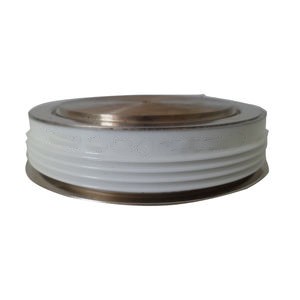
Thyristors Online | High-Quality Power Semiconductors

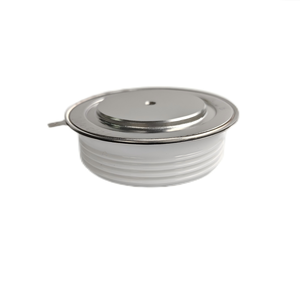
PRODUCT PRAMETERS
Kev piav qhia
Txheej txheem cej luam ntawmThyristor Modules
Thyristor modules yog cov khoom tseem ceeb hauv kev siv hluav taws xob hluav taws xob. Lawv muaj ib los yog ntau tshaj thyristors encapsulated nyob rau hauv ib tug compact vaj tse. Thyristors yog plaub txheej, Peb-terminal semiconductor li uas feem ntau yog siv rau hauv cov ntawv thov uas tswj thiab tswj cov hluav taws xob siab AC lossis DC tam sim no. Lawv tuaj yeem hloov los ntawm lub xeev siab impedance mus rau lub xeev qis impedance raws li lub teeb liab tshwm sim., yog li ua tiav kev tswj xyuas qhov tseeb ntawm tam sim no.
Nta thiab Cov txiaj ntsig ntawmThyristor Modules
Muaj peev xwm tuav tau lub zog: Thyristor modules tuaj yeem tiv taus cov hluav taws xob siab thiab cov khoom siv tam sim no, ua rau lawv haum rau industrial-qib zog hloov dua siab tshiab thiab tswj tshuab.
Lub sij hawm teb ceev ceev: Lub sijhawm hloov pauv luv heev thiab poob qis kom ua haujlwm tau zoo.
Kev ntseeg tau thiab kav ntev: Rugged tsim, ruaj khov ua haujlwm nyob rau hauv ib puag ncig hnyav, thiab lub neej ntev.
Kev sib koom ua ke yooj yim: Modular tsim simplifies installation thiab txo cov kev xav tau ntawm kev saib xyuas.
Kev tiv thaiv overload: Ua-nyob rau hauv kev tiv thaiv mechanisms xws li over-kub thiab over-tam sim no tiv thaiv txhim khu kev ruaj ntseg system.
Kev siv ntau yam: Siv dav hauv ntau yam kev siv uas xav tau kev tswj xyuas tam sim no.
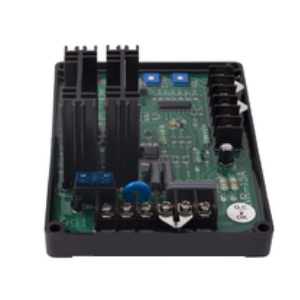
(Thyristor module rau thyristor vuam tshuab AC DC fais fab module Diode module)
Specification of Thyristor module for thyristor welding machine AC DC power module Diode module
Thyristors are an essential component in AC DC power modules and diode modules, ensuring safe and efficient operation of the equipment. These devices have become increasingly important in industrial settings as they provide stable and reliable power supplies that meet various industry standards.
In AC DC power modules, thyristors are used to regulate the current output and protect against overcurrent or short circuits. They are typically made from a variety of materials such as silicon carbide, titanium, and aluminum, with different specifications based on their performance requirements.
One of the key features of thyristors is their ability to switch quickly and efficiently, making them ideal for use in high-speed applications where speed is critical. They also have a low internal resistance, which allows them to operate at higher voltages without overheating or damage.
In diode modules, thyristors are used to control the flow of electricity between two electrodes. They are often used in reverse voltage (VCE) circuits, where the voltage across the diode acts as a protective mechanism against overvoltage or short circuiting.
The specific specification of a thyristor module will depend on its intended application and usage conditions. It may include factors such as the thyristor’s rating, thermal stability, and electrical characteristics like its forward voltage gain, reverse saturation voltage, and ideality factor.
It is important to choose a thyristor module that meets the specific needs of your application and complies with relevant safety and performance standards. This may involve choosing the appropriate thyristor material, specifying the appropriate rated voltage and current, and testing the module to ensure it functions properly under varying operating conditions.
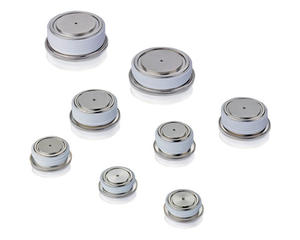
(Thyristor module rau thyristor vuam tshuab AC DC fais fab module Diode module)
Applications of Thyristor module for thyristor welding machine AC DC power module Diode module
Thyristors are electronic components that control the flow of current in an electrical circuit. They are widely used in various applications, including thyristor welding machines and AC DC power modules.
In thyristor welding machines, thyristors are used to switch the flow of electricity to either positive or negative depending on whether a wire is being or not. The thyristor’s voltage rating determines its ability to withstand high temperatures, which makes it suitable for use in harsh industrial environments where precise temperature control is critical. Ntxiv thiab, thyristors can be used as a starting point for electrical circuits, making them versatile for a wide range of applications.
On the other hand, AC DC power modules are electrical devices that convert alternating current (AC) rau hauv direct tam sim no (DC). They are commonly used in various applications such as electronic equipment, data centers, thiab industrial automation systems. The quality and efficiency of an AC DC power module depend on several factors, including the type of power supply, the components used, and the application requirements.
One of the most significant advantages of using thyristor modules in AC DC power modules is their ability to efficiently store and regulate energy. Unlike traditional power supplies that require additional components, thyristor-based power modules have built-in energy storage capabilities that allow them to maintain a consistent output even when there is a lack of input power. This feature makes them ideal for use in power grids that operate continuously, such as in renewable energy sources.
Another advantage of thyristor-based power modules is their ability to increase system efficiency. By regulating the flow of electricity, thyristors can reduce energy waste and improve overall system performance. Piv txwv li, thyristors can be used to boost the power output of a motor during periods of low demand, reducing the need for additional power generation sources.
Hauv kev xaus, thyristors are essential components of both thyristor welding machines and AC DC power modules. Their versatility and efficiency make them indispensable in many industries, and the introduction of thyristor-based power modules has significantly improved the performance of these devices. As technology continues to advance, we can expect to see even more innovative applications of thyristors in the future.
Tuam txhab Profile
Luoyang Datang Energy Tech Co., Ltd(sales@pddn.com) yog ib qho ntawm cov tuam txhab ua lag luam hauv cov khoom siv hluav taws xob hluav taws xob thiab cov khoom siv hluav taws xob, uas yog tag nrho koom nrog hauv kev tsim cov hnub ci inverters, transformers, voltage regulators, kev faib khoom txee, thyristors, modules, diodes, cua sov, thiab lwm yam khoom siv hluav taws xob lossis semiconductors. Peb yuav cog lus los muab cov neeg siv khoom zoo, cov khoom siv tau zoo thiab kev pabcuam zoo.
Nws lees txais kev them nyiaj ntawm Credit Card, T/T, West Union, thiab Paypal. PDDN yuav xa cov khoom rau cov neeg siv khoom txawv teb chaws los ntawm FedEx, DHL, ntawm hiav txwv, los ntawm huab cua. If you want high-quality Thyristor module for thyristor welding machine AC DC power module Diode module, thov xa peb cov lus nug; peb yuav nyob ntawm no los pab koj.
Kev Them Nyiaj
L/C, T/T, Western Union, Paypal, Credit Card thiab lwm yam.
Kev xa khoom
Los ntawm hiav txwv, los ntawm huab cua, los ntawm kev nthuav qhia, raws li cov neeg siv khoom thov.
Kev cia khoom
1) Khaws rau hauv qhov chaw qhuav ntawm chav tsev kub.
2) Tsis txhob damp thiab kub.
3) Siv tam sim ntawd tom qab qhib lub hnab ntim sab hauv.
5 FAQs of Thyristor module for thyristor welding machine AC DC power module Diode module
1. What is a thyristor module?
A thyristor module is a circuit component that converts alternating current (AC) rau hauv direct tam sim no (DC). It consists of two thyristors connected in a voltage-controlled manner, which allows the module to regulate the flow of electricity.
2. How do thyristor modules work?
Thyristor modules use electronic components such as diodes and transistors to control the flow of electricity. When one thyristor is turned on or off, it controls the flow of electricity through the other thyristor. This ensures that the AC input is converted into DC output without loss of energy.
3. What types of thyristor modules are available?
There are several types of thyristor modules available for thyristor welding machines, including analog modules, digital modules, and hybrid modules. Analog modules use basic diode characteristics to control the flow of electricity, while digital modules use more advanced electronics to control the thyristors. Hybrid modules combine both analog and digital technologies to provide even greater control over the thyristor flow.
4. What is the difference between a thyristor module and a diode module?
The main difference between a thyristor module and a diode module is their role in converting AC into DC. A thyristor module is responsible for controlling the flow of electricity, while a diode module is responsible for protecting the electronic components from damage caused by surges in voltage.
5. How much does a thyristor module cost?
The cost of a thyristor module depends on several factors, including the type of thyristor module used, the quality of the electronic components used, and any additional features required for the particular application. Txawm li cas los, in general, thyristor modules can be relatively inexpensive compared to other electronic components used in thyristor machines.
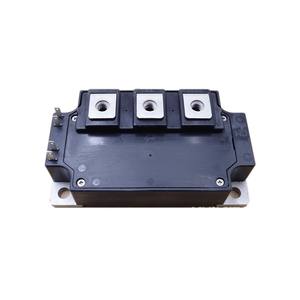
(Thyristor module rau thyristor vuam tshuab AC DC fais fab module Diode module)
THOV QHIA
QHOV CHAW UA HAUJ LWM
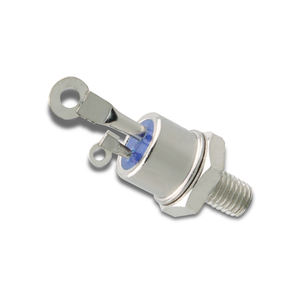
Phase Control Thyristor Y65KPE SCR Thyristor Module
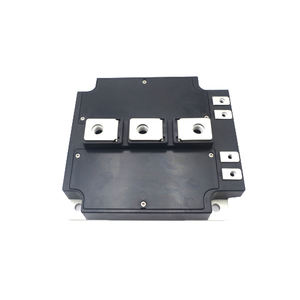
MDC300-16(M4A) Rectifier bridge Factory Common cathode photovoltaic Diode/thyristor module
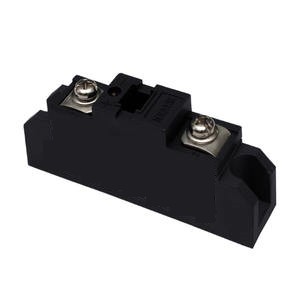
YC450PM High quality Electronic Components SCR thyristor power modules with Bom list service YC450PM
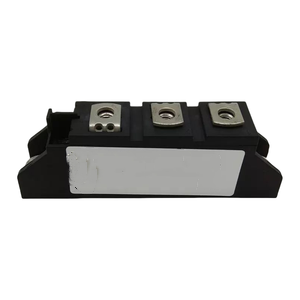
New and Original Power control thyristor Module SCR Module PD110F160
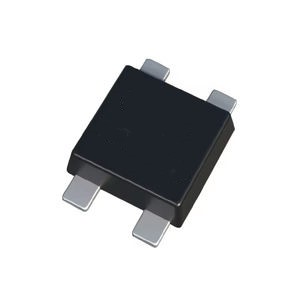
STOCK NEW AND ORIGINAL Diode module IGBT Power MODULE Thyristor SCR IGBT MODULE PK130FG160