


Thyristors Online | Semiconductors mai inganci mai ƙarfi

Heatsinks
Extruded Aluminum Heatsink For High Power LED IC Chip Cooler Radiator Heat Sink Drop Ship 100*25*10mm
Custom Surface Slim Alu Strip Extrusion Heatsink Light Kanal Channel Led Aluminum Profile
High quality customized copper pipe cooling heatsink with aluminum fins heatsink 300W 400W Sever Heat Sink
Don Rasberi Pi 3 Gishiri mai zafi na Copper Aluminum Heatsink Radiator Cooler Kit don Rasberi Pi 3 Model B+ 3B Plus 2B+
madauwari zagaye cob SMD heatsink 300w LED heatsink aluminum cob jagoranci hasken zafi nutse don sito ma'adinai
High Polished Custom Aluminum Large Copper extrusion heatsink customized heat sink sunflower heat sink for led
Whole High Quality Control Oem Extruded Aluminum Heatsinks Aluminum Extrusion Heat Sinks Profiles
M.2 NVME NGFF Heatsink Aluminum Sheet Thermal Conductivity Silicon Wafer Cooling Warship Nvme Heatsink 2280
6063 aluminum sunflower heatsink CNC high density teeth heatsink aluminum profile
(1 set of 3pcs)Aluminum Heat Sink Heatsink with Adhesive for Orange Pi/Raspberry Pi
Anan UE2 120MM CPU Coolers Fan 6 Bututu mai zafi ARGB CPU Mai sanyaya iska PC Cooler Heatsink Mai Sauƙi Shiga AM5 AM4 LGA 1151
CoolCox GPU Cooler VC-AL4009 12V heatsink 41x40x9.8mm Vga Cooler Fan Generator Radiator Fan Graphics Card Fan
| Nau'in | Cooling Method | Outline |
|---|---|---|
| PDDN-SS11 | PDDN-Water cooling | SS11 |
| PDDN-SS12 | PDDN-Water cooling | SS12 |
| PDDN-SS13 | PDDN-Water cooling | SS13 |
| PDDN-SS14 | PDDN-Water cooling | SS14 |
| PDDN-SS15 | PDDN-Water cooling | SS15 |
| PDDN-SS11BL | PDDN-Water cooling | SS11BL |
| PDDN-SS12BL | PDDN-Water cooling | SS12BL |
| PDDN-SS13BL | PDDN-Water cooling | SS13BL |
| PDDN-SS14BL | PDDN-Water cooling | SS14BL |
| PDDN-SS15BL | PDDN-Water cooling | SS15BL |
| PDDN-SS24 SS25 | PDDN-Water cooling | SS24-25 |
| PDDN-SS24BL SS25BL | PDDN-Water cooling | SS24BL-25BL |
| PDDN-DSS3 | PDDN-Water cooling | DSS3 |
| PDDN-DSS5 | PDDN-Water cooling | DSS5 |
| PDDN-DSS6 | PDDN-Water cooling | DSS6 |
| PDDN-DSS8 | PDDN-Water cooling | DSS8 |
| PDDN-HSS3 | PDDN-Water cooling | HSS3 |
| PDDN-SF12 | Force air cooling | SF12 |
| PDDN-SF13 | Force air cooling | SF13 |
| PDDN-SF14 | Force air cooling | SF14 |
| PDDN-SF15 | Force air cooling | SF15 |
| PDDN-SF16 | Force air cooling | SF16 |
| PDDN-SF17 | Force air cooling | SF17 |
| PDDN-SF12BL | Force air cooling | SF12BL |
| PDDN-SF15BL | Force air cooling | SF15BL |
| PDDN-SF15CL | Force air cooling | SF15CL |
| PDDN-D | Force air cooling | D |
| PDDN-Z | Force air cooling | Z |
| PDDN-W | Force air cooling | W |
| PDDN-N | Force air cooling | N |
| PDDN-H | Force air cooling | H |
| PDDN-K | Force air cooling | K |
| PDDN-DXC-417-4 | Force air cooling | DXC-417-4 |
| PDDN-DXC-418 | Force air cooling | DXC-418 |
| PDDN-DXC-417 | Force air cooling | DXC-417 |
| PDDN-DXC-684 | Force air cooling | DXC-684 |
| PDDN-DXC-603-1 | Force air cooling | DXC-603-1 |
| PDDN-DXC-614 | Force air cooling | DXC-614 |
| XF12 | Force air cooling | XF12 |
| PDDN-YP | Force air cooling | YP |
| PDDN-CZ | Force air cooling | CZ |
Overview ofHeatsinks
Heatsink is a component used to quickly and effectively export heat from electronic devices. With the continuous improvement of electronic device performance, more and more heat is generated, making the design, yi, and installation of heat sinks crucial, directly affecting the stability and lifespan of the equipment.
Heatsink is typically made of metal materials such as copper and aluminum, and its shape and design depend on the application requirements. Common types include flat, comb, needle, pillar, da dai sauransu. Its surface is usually treated with special techniques, such as ceramic spraying or copper infiltration, to enhance thermal conductivity and increase surface area.
Characteristics ofHeatsinks
Efficient heat dissipation: Water cooled radiators carry away heat through water circulation, resulting in higher heat dissipation efficiency and better ability to meet the heat dissipation needs during high load operation.
Low noise: Compared to air-cooled radiators, water-cooled radiators usually have lower noise because they do not produce noise from mechanical components such as fans.
Small footprint: Water cooled radiators are usually small in size and do not take up too much chassis space, which is beneficial for cooling compact and small devices.
Stable performance: Due to the stable heat dissipation efficiency of the water-cooled radiator, it is not easy to encounter heat dissipation bottlenecks during long-term operation, which can ensure the stability and durability of equipment operation.
High cost: Compared to air-cooled radiators, water-cooled radiators have higher manufacturing costs and relatively higher prices.
Installation complexity: Compared to air-cooled radiators, the installation of water-cooled radiators is more complex, requiring the connection of components such as water pumps, water pipes, and water-cooled heads. Improper installation can easily cause problems such as liquid leakage.
Maintenance requirement: Water cooled radiators require regular replacement of coolant to maintain their efficient heat dissipation performance.
Scope of application: Water cooled radiators are suitable for high-performance computers, sabobin, cibiyoyin bayanai, and other applications that require high heat dissipation capabilities.
Aikace-aikacenaHeatsinks
Computer hardware: In the field of computers, Heatlinks are mainly used for key components such as CPUs, GPUs, and memory. These components generate a large amount of heat when processing large amounts of data, and Heatlinks can effectively export this heat to maintain stable device operation.
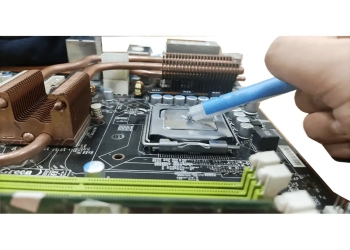
(Application of heatsinks)
Server and data center: In server and data center environments, a large number of processors and other components generate a significant amount of heat. To ensure the stable operation of the server, Heatlinks are used to effectively dissipate heat.
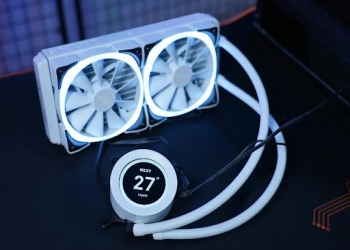
(Application of heatsinks)
Power electronic equipment: In the field of power electronics, devices such as frequency converters, kayan wuta, and converters generate a large amount of heat during operation. Heatlinks are used to lower the temperature of these devices and ensure their normal operation.
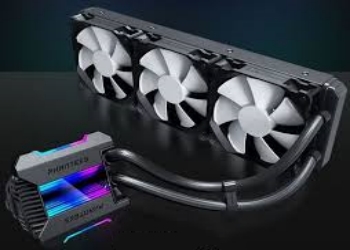
(Application of heatsinks)
Kayan Wutar Lantarki na Mota: In modern cars, many electronic components such as engine control units and ABS systems require efficient heat dissipation. Heatlinks play an important role in these situations.
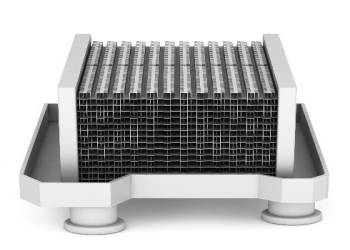
(Application of heatsinks)
Communication equipment: In wireless communication base stations and routers, signal processing and other functions generate a large amount of heat. To ensure the stable operation of the device, Heatlinks are widely used.
Bayanan Kamfanin
Kudin hannun jari Luoyang Datang Energy Tech Co.,Ltd(sales@pddn.com) focuses on the research, development, and application of power electronics technology and is devoted to supplying customers with high-quality transformers, thyristors, and other power products. Our company mainly has solar inverters, masu aikin wuta, masu sarrafa wutar lantarki, ɗakunan ajiya na rarrabawa, thyristors, kayayyaki, diodes, heatsinks, da sauran na'urorin lantarki ko semiconductors. The electronic devices and semiconductor products provided by Luoyang Datang Energy Tech Co.Ltd have the characteristics of high efficiency, aminci, da aminci. They are widely used in power systems, industrial control, energy management, and other fields.
Yana karɓar biyan kuɗi ta Katin Kiredit, T/T, West Union, da Paypal. PDDN za ta jigilar kayayyaki zuwa abokan ciniki a ƙasashen waje ta hanyar FedEx, Farashin DHL, ta teku, ko ta iska. If you are looking for a high-quality Heatsinks supplier, we invite you to contact us or click on related products to inquire.

Payment methods forHeatsinks
L/C, T/T, Western Union, Paypal, Katin Kiredit da dai sauransu.
Shipment ofHeatsinks
Once payment is received, ta teku, ta iska, or by express as soon as possible.

FAQ
Q1:
What is Heatsinks?
Re: Heatsinks are passive components used to dissipate heat from electronic devices, typically made of metal. It takes heat away from electronic devices through natural or forced convection and dissipates it into the surrounding air.
Q2:
How does Heatsinks work?
Re: Heatsinks absorb the heat generated by electronic devices through contact. Then, the heat sink of the Heat Sinks dissipates the heat into the surrounding air. The shape and arrangement design of the heat sink help to increase the heat dissipation area, thereby improving the heat dissipation efficiency.
Q3:
What are the important parameters for measuring the performance of Heatsinks?
Re: The important parameters for measuring the performance of Heatsinks include thermal resistance and thermal capacity. Thermal resistance represents the heat dissipation efficiency of Heat Sinks, while thermal capacity represents the amount of heat that Heat Sinks can store.
Q4:
How to choose the appropriate Heatsinks?
Re: Choosing the appropriate Heatsinks requires consideration of the following factors: thermal load of electronic devices, cooling environment, installation space, and cost budget. Bugu da kari, factors such as the material, girman, siffa, and surface treatment of Heatsinks need to be considered.
Q5:
What should I pay attention to when using Heatsinks?
Re: When using Heatsinks, it is important to pay attention to the following points: ensure that Heatsinks are in close contact with electronic devices; Keep the heat sink clean and avoid dust and debris affecting the heat dissipation effect; Regularly check for looseness or damage to the Heatsinks, and replace or repair them promptly if necessary.
Q6:
Why do we sometimes need to use heatsinks with forced convection?
Re: Forced convection heat sinks are typically used in situations where higher heat dissipation efficiency is required. Through fans or other mechanical devices, heat sinks with forced convection can provide a larger airflow, allowing for faster removal of heat from electronic devices.