Tiristores en liña | Semicondutores de potencia de alta calidade

PARÁMETROS DO PRODUTO
Descrición
Visión xeral dos diodos rectificadores
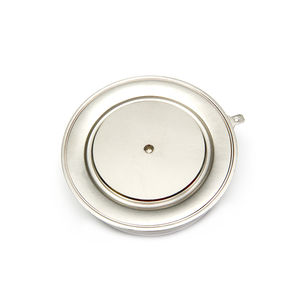
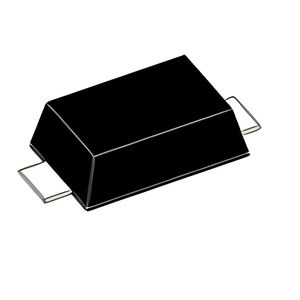
Os díodos rectificadores son dispositivos semicondutores utilizados principalmente para converter a corrente alterna (AC) en corrente continua (DC). Permiten que a corrente fluya facilmente nunha dirección mentres a bloquean na dirección oposta. Esta propiedade unidireccional fai que sexan compoñentes esenciais nas fontes de alimentación, procesamento de sinal, e varios circuítos electrónicos. Os díodos rectificadores poden manexar unha ampla gama de correntes e voltaxes, converténdoos en versátiles para numerosas aplicacións.
Características dos diodos rectificadores
Condutividade unidireccional: Facilita o fluxo de corrente só nunha dirección, bloqueando eficazmente a corrente inversa.
Manexo de alta corrente: Deseñado para transportar correntes de avance substanciais, adecuado para aplicacións de alta potencia.
Pico de tensión inversa (PIV): Pode soportar altas tensións inversas sen romper.
Baixa caída de tensión directa: Minimiza a perda de enerxía en forma de calor, mellorando a eficiencia.
Tempo de recuperación rápida: Pasa rapidamente de estados condutores a estados non condutores, beneficioso para aplicacións de alta frecuencia.
Estabilidade térmica: Mantén o rendemento nun amplo rango de temperaturas, garantindo a fiabilidade en diferentes condicións.
Tamaño compacto: O factor de forma pequeno facilita a integración en deseños electrónicos compactos.
Rentable: Ofrece unha solución económica para as necesidades de conversión de CA a CC.
Variedade de paquetes: Dispoñible en varias opcións de embalaxe para adaptarse a diferentes requisitos de montaxe.
(Rectificador automático inverso 30A para tratamento de augas residuais)
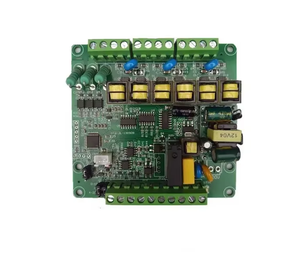
Specification of auto reverse rectifier 30A for wastewater treatment
This auto reverse rectifier handles 30 amperes. It’s built for wastewater treatment plants. Electrodes in these plants corrode fast. This unit stops that. It automatically flips the electrical polarity. The reversal happens at set times. This keeps metal electrodes working longer. It saves money on replacements.
The output is 30 amps DC. Voltage stays steady at 24 volts DC. The unit accepts regular AC power input. It converts AC into DC power efficiently. The current stays consistent. This ensures reliable electrode protection. The auto-reverse function is key. It prevents uneven material buildup. Buildup causes early failure.
You control the polarity swap timing. Set intervals from minutes to hours. Choose what works for your process. The unit handles this switching smoothly. There’s no power interruption. Operation stays continuous. The controls are simple. Use buttons and a display. Set the time interval easily. See the status clearly.
Built tough for harsh places. The enclosure resists water and dust. It handles tough wastewater plant conditions. Cooling happens automatically. Fans manage heat during heavy use. Electrical safety is built-in. Protections guard against overloads. Short circuits won’t damage it. Surges from the power line are blocked.
Remote monitoring is possible. Connect using standard signals. See operating data from your control room. Know the current status always. This unit offers dependable protection. It extends electrode life significantly. Maintenance costs go down. System uptime improves. It’s a solid solution for wastewater systems.
(Rectificador automático inverso 30A para tratamento de augas residuais)
Applications of auto reverse rectifier 30A for wastewater treatment
Metal pipes and tanks in wastewater treatment face big rust problems. Groundwater and soil often carry stray electrical currents. These currents attack metal, causing corrosion. Corrosion destroys equipment quickly. It leads to leaks, expensive repairs, and plant shutdowns. The Auto Reverse Rectifier 30A stops this rust. It uses a smart electrical method called cathodic protection.
This device sends a controlled electrical current into the metal structure needing protection. Think of pipelines, clarifier tanks, or valve housings. The current counteracts the natural corrosion process. It makes the metal structure the ‘cathode’ in an electrochemical cell. Rust stops forming on the cathode. The rectifier provides the ‘impressed current’. It needs an external anode, like special metal rods buried nearby. The current flows from the rectifier, through the anode, into the soil, and onto the protected structure.
The ‘auto reverse’ feature is key. Constant direct current can cause problems over time. Minerals build up on the protected metal surface. This buildup reduces protection effectiveness. The 30A model automatically switches the current direction briefly at set intervals. This reversal breaks up mineral deposits. It keeps the protective coating working well. It ensures consistent, long-lasting defense against corrosion.
The 30A rating means it delivers 30 amperes de corrente. This suits medium-sized wastewater assets. It protects longer pipe runs or larger tank bases effectively. Wastewater plants use it on critical underground pipes carrying raw sewage or treated effluent. It protects concrete tanks with steel reinforcement bars inside. Well casings and metal valve chambers also benefit. Installing it near the protected structure is common practice.
This rectifier offers major advantages. It drastically extends equipment life. Plants avoid costly emergency repairs and replacements. It reduces long-term maintenance spending. The system works automatically once set up. It provides reliable protection day and night. Using the 30A model ensures vital wastewater infrastructure stays strong and operational for years.
Perfil da empresa
PDDN Photoelectron Technology Co., Ltd.(sales@pddn.com) é unha das empresas líderes en tecnoloxía de electrónica de potencia e produtos de enerxía, que participa plenamente no desenvolvemento de inversores solares, transformadores, reguladores de tensión, armarios de distribución, tiristores, módulos, díodos, quentadores, e outros dispositivos electrónicos ou semicondutores. Comprometémonos a ofrecer aos usuarios unha alta calidade, produtos eficientes e servizo atento.
Acepta pago con tarxeta de crédito, T/T, Unión Oeste, e Paypal. PDDN enviará os produtos aos clientes no exterior a través de FedEx, DHL, polo mar, ou por vía aérea. If you want high-quality auto reverse rectifier 30A for wastewater treatment, por favor, envíenos consultas; estaremos aquí para axudarche.
Métodos de pago
L/C, T/T, Western Union, Paypal, Tarxeta de crédito, etc.
Envío
Por mar, polo aire, por expreso, como solicitan os clientes.
Condicións de almacenamento
1) Almacenar nun ambiente seco a temperatura ambiente.
2) Evite a humidade e a alta temperatura.
3) Use inmediatamente despois de abrir a bolsa de embalaxe interior.
5 FAQs of auto reverse rectifier 30A for wastewater treatment
Auto Reverse Rectifier 30A for Wastewater Treatment: Key Questions
What is this auto reverse rectifier for?
This unit controls corrosion in wastewater treatment systems. It uses electrical current. It protects metal structures underground. These structures include tanks and pipes. The rectifier sends current to sacrificial anodes. This stops the protected metal from corroding.
Why use auto reverse in wastewater treatment?
Auto reverse is essential. It prevents anode passivation. Passivation happens over time. Minerals build up on the anode surface. This buildup blocks current flow. Protection stops. Auto reverse flips the current direction periodically. This breaks off the mineral scale. The anode keeps working effectively. Treatment reliability improves.
What makes this 30A model suitable?
This rectifier delivers precise DC current. It adjusts output automatically. System conditions change. The rectifier compensates. It provides stable protection. It handles harsh wastewater environments. The unit is built tough. It resists moisture and corrosion. Remote monitoring is possible. Operators can check performance easily.
Is maintenance difficult?
Routine maintenance is straightforward. Check the display regularly. Look at the output voltage and current readings. Ensure connections stay tight and clean. Inspect cables for damage periodically. Basic upkeep prevents most problems. The auto reverse function itself requires little extra work. It operates automatically.
What if something goes wrong?
The rectifier has built-in protection. It detects common faults. Faults include overloads or short circuits. The unit shuts down safely if needed. Error codes show on the display. These codes help diagnose the issue quickly. Consult the manual for code meanings. Contact technical support for complex problems.
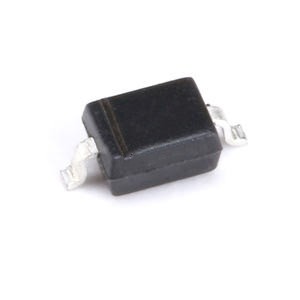
(Rectificador automático inverso 30A para tratamento de augas residuais)
SOLICITA UN PRESUPUESTO
PRODUTOS RELACIONADOS
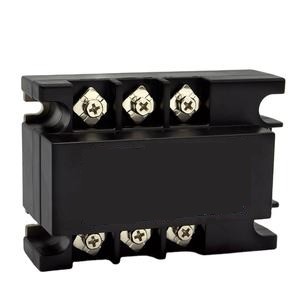
100A 12V Jewelry Plating rectifier Platinum Gold Silver
Diode Bridge Rectifier KBPC5010 Bridge Rectifier
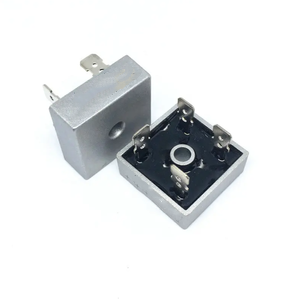
Diodo rectificador RL207 DO-15 2A 1000V
(Rectificadores de ponte) DFL1506S-E3/45
Hot 40A Bridge Rectifier DF200AB160