


Thyristors en ligne | Semi-conducteurs de puissance de haute qualité

Dissipateurs thermiques
custom standard 175x512x70 board level heat sink extruded heatsink industrial extrusion aluminum profile
The Best Cnc Machining heatsink Aluminum Extrusion Heat Sink In Dongguan
Custom CNC aluminum extrusion profiles black anodizing custom-made LED radiator aluminum heatsink
Custom Designed Cnc Milling Black Anodized Extruded Aluminum Extrusion Led Street Light Heat Sink heatsink Radiator
L'extrusion faite sur commande d'aperçu gratuit a mené les dissipateurs thermiques en aluminium carrés de radiateur de corps
Whole Stacked Fin Aluminum Heat Sink Heatsink Custom Aluminum Profile Folded Fin Heat Sink
Dissipateurs thermiques d'extrusion Profil d'extrusion CNC Dissipateur thermique en aluminium personnalisé Dissipateur thermique en aluminium pour amplificateur de puissance
Hot Heatsink Cooler Anodized Extruded Large Aluminum Extrusion Profile Heat Sink
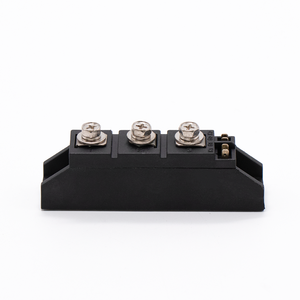
OEM Customized Aluminum Heatsink, Aluminum Die Casting Heat Sink
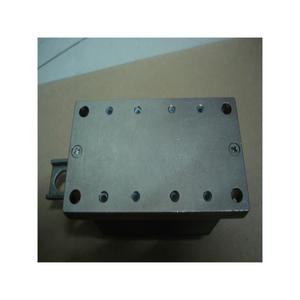
TCH factory heatsinks customized skiving fin high power aluminum body heat sink for industry
Custom Size Amplifier Heatsink CNC Aluminum Extruded Fin Power Amplifier Heatsink
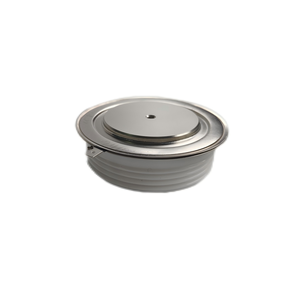
Dissipateur thermique pour imprimante 3D en aluminium, usinage CNC, Compatible avec l'extrudeuse V6 j-head Hotend Bowden – Dissipateur thermique court M6
| Taper | Méthode de refroidissement | Contour |
|---|---|---|
| PDDN-SS11 | PDDN-Water cooling | SS11 |
| PDDN-SS12 | PDDN-Water cooling | SS12 |
| PDDN-SS13 | PDDN-Water cooling | SS13 |
| PDDN-SS14 | PDDN-Water cooling | SS14 |
| PDDN-SS15 | PDDN-Water cooling | SS15 |
| PDDN-SS11BL | PDDN-Water cooling | SS11BL |
| PDDN-SS12BL | PDDN-Water cooling | SS12BL |
| PDDN-SS13BL | PDDN-Water cooling | SS13BL |
| PDDN-SS14BL | PDDN-Water cooling | SS14BL |
| PDDN-SS15BL | PDDN-Water cooling | SS15BL |
| PDDN-SS24 SS25 | PDDN-Water cooling | SS24-25 |
| PDDN-SS24BL SS25BL | PDDN-Water cooling | SS24BL-25BL |
| PDDN-DSS3 | PDDN-Water cooling | DSS3 |
| PDDN-DSS5 | PDDN-Water cooling | DSS5 |
| PDDN-DSS6 | PDDN-Water cooling | DSS6 |
| PDDN-DSS8 | PDDN-Water cooling | DSS8 |
| PDDN-HSS3 | PDDN-Water cooling | HSS3 |
| PDDN-SF12 | Force air cooling | SF12 |
| PDDN-SF13 | Force air cooling | SF13 |
| PDDN-SF14 | Force air cooling | SF14 |
| PDDN-SF15 | Force air cooling | SF15 |
| PDDN-SF16 | Force air cooling | SF16 |
| PDDN-SF17 | Force air cooling | SF17 |
| PDDN-SF12BL | Force air cooling | SF12BL |
| PDDN-SF15BL | Force air cooling | SF15BL |
| PDDN-SF15CL | Force air cooling | SF15CL |
| PDDN-D | Force air cooling | D |
| PDDN-Z | Force air cooling | Z |
| PDDN-W | Force air cooling | W |
| PDDN-N | Force air cooling | N |
| PDDN-H | Force air cooling | H |
| PDDN-K | Force air cooling | K |
| PDDN-DXC-417-4 | Force air cooling | DXC-417-4 |
| PDDN-DXC-418 | Force air cooling | DXC-418 |
| PDDN-DXC-417 | Force air cooling | DXC-417 |
| PDDN-DXC-684 | Force air cooling | DXC-684 |
| PDDN-DXC-603-1 | Force air cooling | DXC-603-1 |
| PDDN-DXC-614 | Force air cooling | DXC-614 |
| XF12 | Force air cooling | XF12 |
| PDDN-YP | Force air cooling | YP |
| PDDN-CZ | Force air cooling | CZ |
Aperçu ofHeatsinks
Heatsink is a component used to quickly and effectively export heat from electronic devices. With the continuous improvement of electronic device performance, more and more heat is generated, making the design, performance, and installation of heat sinks crucial, directly affecting the stability and lifespan of the equipment.
Heatsink is typically made of metal materials such as copper and aluminum, and its shape and design depend on the application requirements. Common types include flat, comb, needle, pillar, etc.. Its surface is usually treated with special techniques, such as ceramic spraying or copper infiltration, to enhance thermal conductivity and increase surface area.
Caractéristiques deHeatsinks
Efficient heat dissipation: Water cooled radiators carry away heat through water circulation, resulting in higher heat dissipation efficiency and better ability to meet the heat dissipation needs during high load operation.
Low noise: Compared to air-cooled radiators, water-cooled radiators usually have lower noise because they do not produce noise from mechanical components such as fans.
Small footprint: Water cooled radiators are usually small in size and do not take up too much chassis space, which is beneficial for cooling compact and small devices.
Stable performance: Due to the stable heat dissipation efficiency of the water-cooled radiator, it is not easy to encounter heat dissipation bottlenecks during long-term operation, which can ensure the stability and durability of equipment operation.
High cost: Compared to air-cooled radiators, water-cooled radiators have higher manufacturing costs and relatively higher prices.
Installation complexity: Compared to air-cooled radiators, the installation of water-cooled radiators is more complex, requiring the connection of components such as water pumps, water pipes, and water-cooled heads. Improper installation can easily cause problems such as liquid leakage.
Maintenance requirement: Water cooled radiators require regular replacement of coolant to maintain their efficient heat dissipation performance.
Scope of application: Water cooled radiators are suitable for high-performance computers, serveurs, data centers, and other applications that require high heat dissipation capabilities.
ApplicationdeHeatsinks
Computer hardware: In the field of computers, Heatlinks are mainly used for key components such as CPUs, GPU, and memory. These components generate a large amount of heat when processing large amounts of data, and Heatlinks can effectively export this heat to maintain stable device operation.
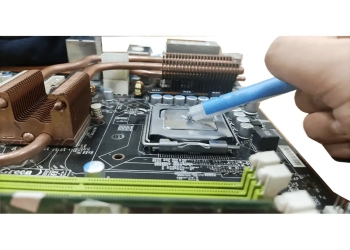
(Application of heatsinks)
Server and data center: In server and data center environments, a large number of processors and other components generate a significant amount of heat. To ensure the stable operation of the server, Heatlinks are used to effectively dissipate heat.
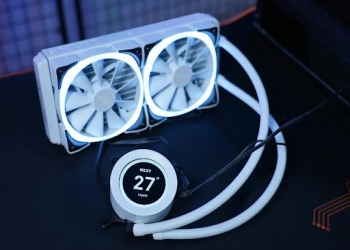
(Application of heatsinks)
Power electronic equipment: In the field of power electronics, devices such as frequency converters, alimentations, and converters generate a large amount of heat during operation. Heatlinks are used to lower the temperature of these devices and ensure their normal operation.
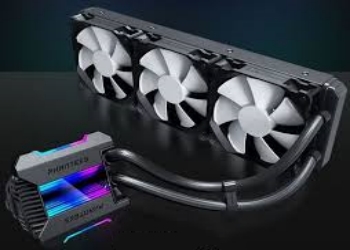
(Application of heatsinks)
Automotive Electronics: In modern cars, many electronic components such as engine control units and ABS systems require efficient heat dissipation. Heatlinks play an important role in these situations.
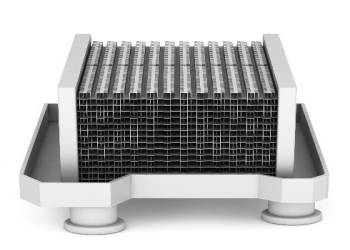
(Application of heatsinks)
Matériel de communication: In wireless communication base stations and routers, signal processing and other functions generate a large amount of heat. To ensure the stable operation of the device, Heatlinks are widely used.
Profil de l'entreprise
Luoyang Datang Energy Tech Co.Ltd(sales@pddn.com) se concentre sur la recherche, développement, et l'application de la technologie de l'électronique de puissance et se consacre à fournir aux clients des transformateurs de haute qualité, thyristors, et autres produits électriques. Notre entreprise dispose principalement d'onduleurs solaires, transformateurs, régulateurs de tension, armoires de distribution, thyristors, modules, diodes, dissipateurs thermiques, et autres appareils électroniques ou semi-conducteurs. Les appareils électroniques et les produits semi-conducteurs fournis par Luoyang Datang Energy Tech Co.Ltd ont les caractéristiques d'un rendement élevé., sécurité, et fiabilité. Ils sont largement utilisés dans les systèmes électriques, contrôle industriel, gestion de l'énergie, et d'autres domaines.
Il accepte les paiements par carte de crédit, T/T, Union occidentale, et Paypal. PDDN expédiera les marchandises aux clients à l'étranger via FedEx, DHL, par la mer, ou par avion. If you are looking for a high-quality Heatsinks supplier, nous vous invitons à nous contacter ou à cliquer sur les produits associés pour vous renseigner.

Modes de paiement pourHeatsinks
L/C, T/T, Western union, Paypal, Carte de crédit, etc..
Shipment ofHeatsinks
Une fois le paiement reçu, par la mer, par avion, ou par express dans les plus brefs délais.

FAQ
T1:
What is Heatsinks?
Concernant: Heatsinks are passive components used to dissipate heat from electronic devices, typically made of metal. It takes heat away from electronic devices through natural or forced convection and dissipates it into the surrounding air.
T2:
How does Heatsinks work?
Concernant: Heatsinks absorb the heat generated by electronic devices through contact. Alors, the heat sink of the Heat Sinks dissipates the heat into the surrounding air. The shape and arrangement design of the heat sink help to increase the heat dissipation area, thereby improving the heat dissipation efficiency.
Q3:
What are the important parameters for measuring the performance of Heatsinks?
Concernant: The important parameters for measuring the performance of Heatsinks include thermal resistance and thermal capacity. Thermal resistance represents the heat dissipation efficiency of Heat Sinks, while thermal capacity represents the amount of heat that Heat Sinks can store.
Q4:
How to choose the appropriate Heatsinks?
Concernant: Choosing the appropriate Heatsinks requires consideration of the following factors: thermal load of electronic devices, cooling environment, installation space, and cost budget. En outre, factors such as the material, size, shape, and surface treatment of Heatsinks need to be considered.
Q5:
What should I pay attention to when using Heatsinks?
Concernant: When using Heatsinks, it is important to pay attention to the following points: ensure that Heatsinks are in close contact with electronic devices; Keep the heat sink clean and avoid dust and debris affecting the heat dissipation effect; Regularly check for looseness or damage to the Heatsinks, and replace or repair them promptly if necessary.
Q6:
Why do we sometimes need to use heatsinks with forced convection?
Concernant: Forced convection heat sinks are typically used in situations where higher heat dissipation efficiency is required. Through fans or other mechanical devices, heat sinks with forced convection can provide a larger airflow, allowing for faster removal of heat from electronic devices.