Thyristors Online | High-Quality Power Semiconductors

The Mighty Thyristor Valve: Power Grid’s Silent Guardian
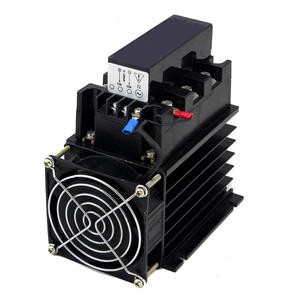
(What Is Thyristor Valve)
Imagine controlling a river of electricity flowing across entire countries. Not just turning it on and off, but directing its flow, managing its power, and doing it incredibly fast. That’s the job of the thyristor valve. It might sound like something from a sci-fi movie, but it’s a real, powerful piece of technology working hard behind the scenes of our modern power grids. Think of it as the ultimate switch for massive amounts of electrical energy. Let’s dive into what makes this component so special and essential.
1. What is a Thyristor Valve?
At its heart, a thyristor valve is a sophisticated electronic switch. It’s built using many individual thyristors connected together. A thyristor itself is a solid-state semiconductor device, similar to a transistor but designed specifically for handling very high power levels. It acts like a gate for electricity. When it receives a tiny “go” signal, it allows a huge current to flow through it. Once it’s on, it stays on until the current drops to zero. This makes it perfect for controlling alternating current (AC), which naturally goes to zero many times a second.
Putting many thyristors together in a valve allows engineers to control voltages and currents far beyond what a single thyristor can manage. These valves are the core components in High Voltage Direct Current (HVDC) transmission systems. HVDC is how we efficiently send vast amounts of electricity over incredibly long distances, like across continents or under the sea. The thyristor valve acts as the converter, changing AC power from a power plant into DC for efficient long-distance travel, and then back into AC at the other end so factories and homes can use it. It’s essentially the muscle and the brain of the HVDC link.
2. Why Use a Thyristor Valve?
Why go to all this trouble? Why not just stick with regular AC transmission lines? The answer lies in efficiency and control, especially over long distances. AC power transmission suffers from significant energy losses over hundreds or thousands of kilometers. HVDC, enabled by thyristor valves, is much more efficient for these mega-distances. Less energy lost means more power actually reaching people who need it.
Thyristor valves offer incredible speed and precision. They can switch massive power flows in milliseconds. This is crucial for stabilizing power grids. If one part of the grid has a problem, like a sudden surge or drop in power, thyristor valves can react instantly to redirect power or block faults, preventing blackouts. They are also silent and have no moving parts, unlike old-fashioned mechanical switches. This means less maintenance, longer lifespans, and higher reliability. For connecting different power grids that might not run perfectly in sync, thyristor valves are indispensable. They act as a buffer and controller.
3. How Does a Thyristor Valve Work?
Think of each thyristor in the valve as a tiny, super-fast gatekeeper for electricity. They are arranged in series and sometimes parallel configurations to handle the extreme voltages and currents involved. The magic lies in how we control these gates.
The valve receives precise firing signals from a sophisticated control system. These signals tell each thyristor exactly when to “fire” or turn on during the AC voltage cycle. By carefully timing when each group of thyristors turns on, the valve can chop up the AC waveform. This process converts AC power into DC power (rectification) at the sending end. At the receiving end, another thyristor valve uses similar precise timing to rebuild the AC waveform from DC (inversion). It’s like taking a smooth wave (AC), turning it into a steady flow (DC) for the journey, and then reforming the wave at the destination.
Because the thyristors switch so quickly and accurately, this conversion happens smoothly and efficiently. Special cooling systems, often using oil or water, are vital because handling such huge power generates significant heat. Protection circuits constantly monitor the valve to ensure it operates safely and shuts down if anything goes wrong.
4. Applications: Where Thyristor Valves Rule
Thyristor valves are the undisputed champions of long-distance, bulk power transmission. Any major HVDC project relies on them. You’ll find them in:
Long Distance Power Links: Connecting remote power plants (like huge hydroelectric dams in mountains) to cities thousands of miles away. They minimize energy losses over the vast distance.
Submarine Power Cables: Powering islands or connecting countries separated by sea. Laying cables underwater is expensive; HVDC with thyristor valves makes the transmission efficient enough to justify it.
Connecting Different Grids: Linking separate national or regional power networks that operate at different frequencies or phases. Thyristor valves act as the adapter plug, allowing power to flow between them without causing instability.
Back-to-Back Stations: Situated right at the border between two grids, these stations use thyristor valves to allow controlled power exchange without a long DC line, effectively acting as an AC-to-AC converter with DC in the middle.
Grid Stabilization: Injecting or absorbing power very quickly to dampen unwanted oscillations and keep the grid frequency stable, preventing cascading failures.
5. Thyristor Valve FAQs
People often have questions about these powerful devices:
Are they like giant light switches? Not really. While they do switch, it’s happening incredibly fast and precisely, thousands of times a second, to control the flow of power, not just turn it fully on or off instantly like a light switch.
Why not use transistors? Transistors can switch very fast but typically handle lower power levels. Thyristors are optimized for the extreme voltages and currents found in HVDC transmission, making them more robust for these specific mega-power applications.
What happens if one thyristor fails? Valve designs include redundancy. There are often more thyristors in series than strictly needed for the voltage. If one fails, the valve can usually keep operating safely by bypassing it, though maintenance will be scheduled. Monitoring systems constantly check the health of each thyristor.
Do they make noise? The thyristors themselves are silent. However, the massive transformers and cooling systems (pumps, fans) associated with the converter station where the valves are housed can generate noise, which is managed through careful station design.
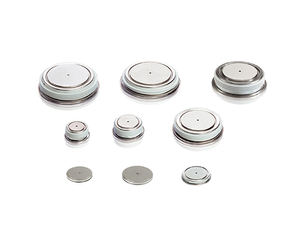
(What Is Thyristor Valve)
How long do they last? Thyristor valves are designed for decades of service. While individual thyristors might need replacement over time (like light bulbs), the overall valve structure is built to last 30 years or more with proper maintenance.